
Cart (0)
No products in the cart.
Cooking and baking often hinge on choosing the right ingredients — even the most basic ones like flours can make or break a recipe. Two staples that frequently appear in kitchens across the world are cornflour and maida. While both are types of flours, their properties, uses, and nutritional profiles differ significantly. Understanding these differences is essential to selecting the right one for your recipes and health goals.
In this article, we’ll take you on a deep dive into what cornflour and maida are, how they’re made, how they behave in cooking and baking, their nutritional impacts, health considerations, and ultimately — which one is better based on different cooking needs. Let’s get started.
Cornflour, also known as corn starch (especially in the U.S.), is a fine, white powder derived from the endosperm of corn kernels. The endosperm is the starchy part of the corn seed and contains virtually all of the carbohydrate content.
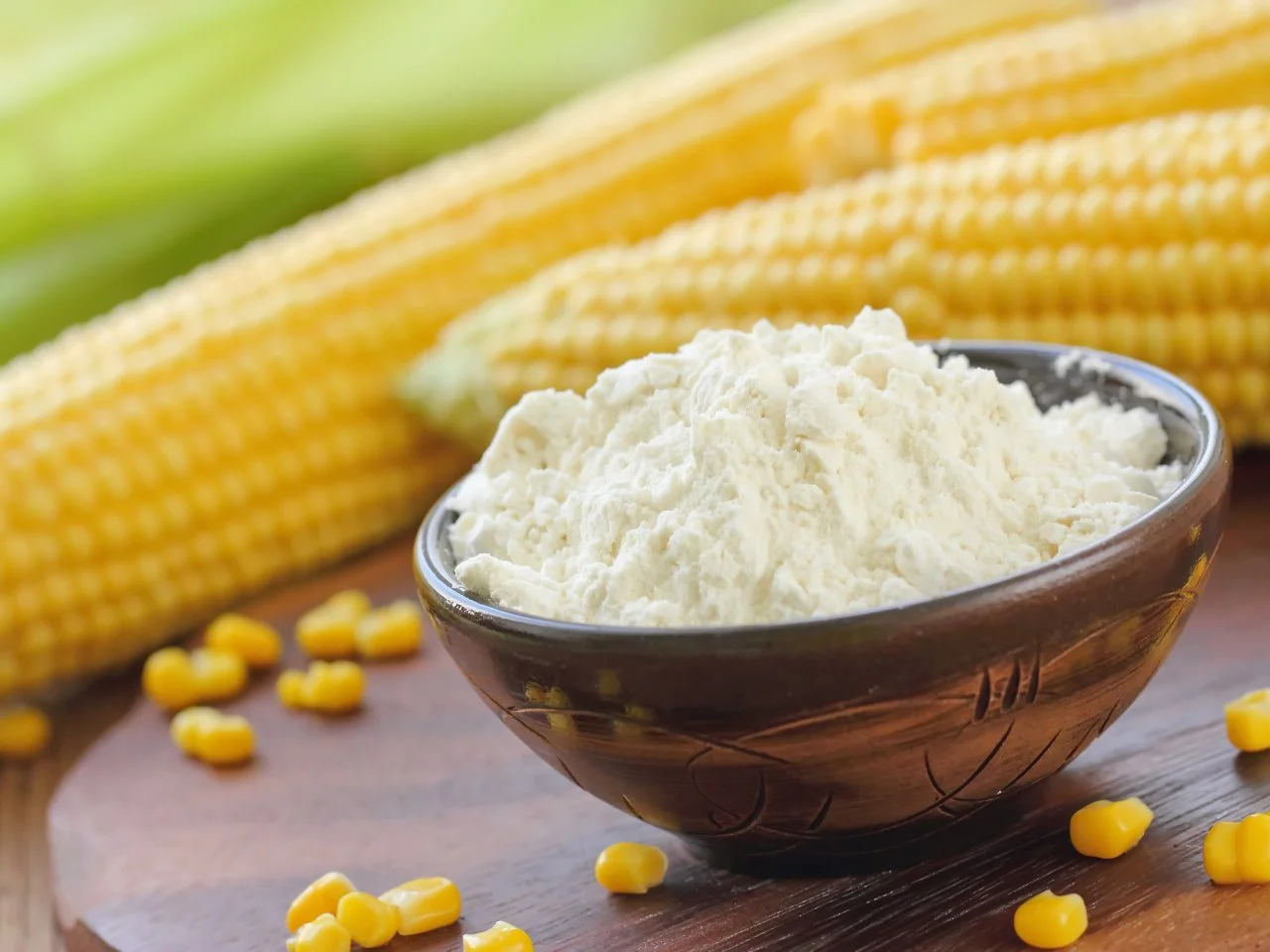

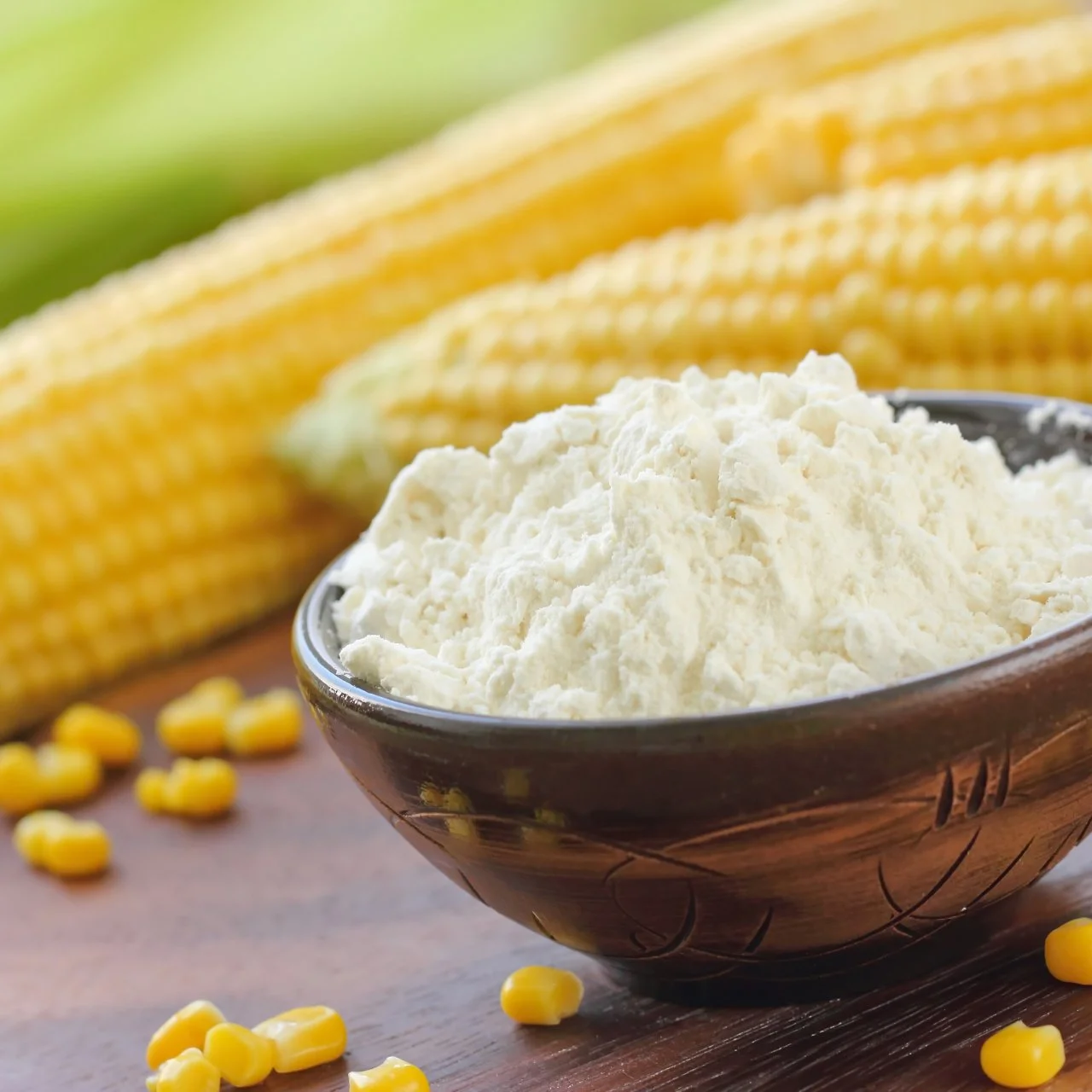
Cornflour is widely used to:
Maida is a refined wheat flour commonly used in Indian kitchens, similar to all-purpose flour (APF) in Western countries. It comes from the endosperm of wheat, just like whole wheat flour, but stripped of bran and germ.

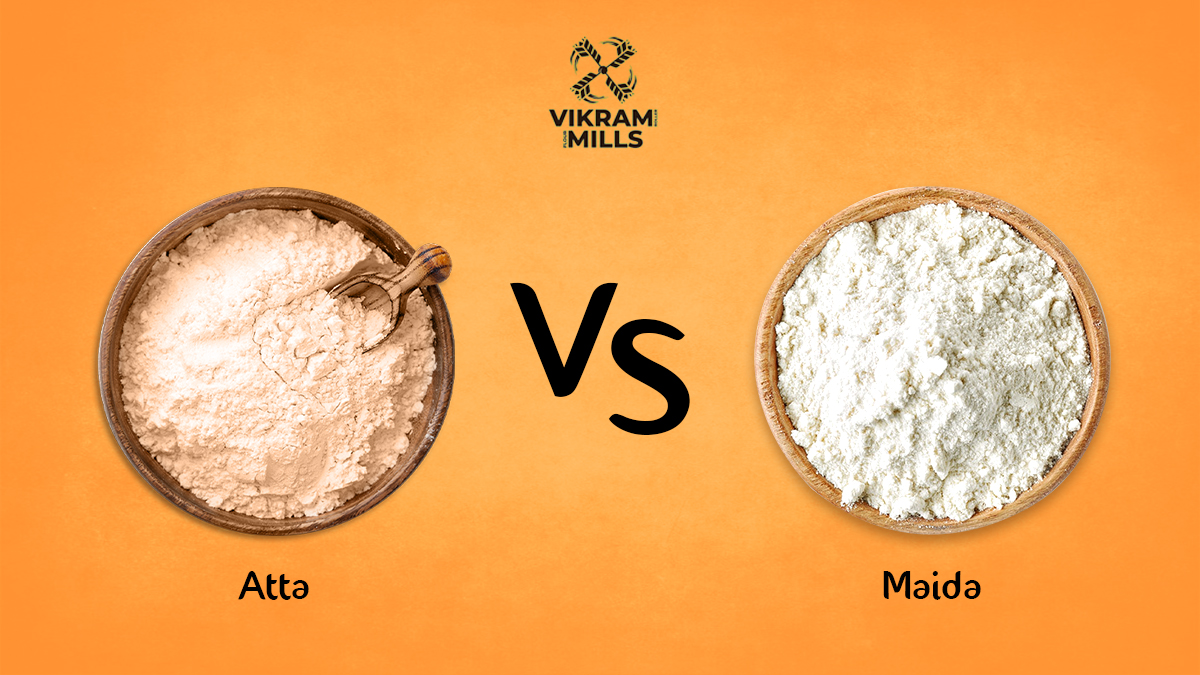
Maida dominates baking and cooking recipes like:
At first glance, both cornflour and maida seem similar since both come mainly from carbohydrates. However, their nutritional values and biological impacts vary quite a lot.
| Nutrient (per 100 g) | Cornflour | Maida |
|---|---|---|
| Calories | High | High |
| Protein | Low (~0–1 g) | Moderate (~10–12 g) |
| Fat | Very low | Low |
| Carbohydrates | Very high | Very high |
| Fiber | 0 | Low |
| Vitamins & Minerals | Minimal | Minimal (slightly more than cornflour) |
Key Insight: Maida contains gluten (source of protein), whereas cornflour is almost purely starch. Neither is rich in nutrients like fiber, vitamins, or minerals.
Let’s look at how these flours behave in hands-on cooking.
Winner for clear sauces:Cornflour
Winner for baking:Maida
Winner for crispy coating:Cornflour
Winner for batter structure:Maida
Winner for gluten-free:Cornflour
If you want a silky, transparent soup — like hot and sour soup — cornflour slurry is the go-to choice. Mix cornflour with cold water before adding to the hot soup to prevent lumps.
Maida shines here. The gluten forms a network, helping the cake rise and retain moisture. Replace maida entirely with cornflour and expect a dense, crumbly texture.
Naan or roti needs elasticity. Maida’s gluten provides that stretch and chewiness — cornflour cannot replace it here.
For pakoras, calamari, or tempura, mix cornflour with maida for an ultra-crisp finish. This combination leverages crispiness and batter structure.
Protein molecules in maida form gluten when mixed with water. This gives:
✔ Dough elasticity
✔ Shape-holding properties
✔ Chewiness in baked goods
But gluten can also make products tougher if overworked.
Cornflour is pure starch — it:
✔ Absorbs water and swells when heated
✔ Thickens liquids
✔ Creates crispness in frying
However, it lacks binding strength and structure.
Sometimes you might be tempted to substitute one for the other. Here’s how realistic that is:
Best Rule of Thumb: Use cornflour for thickening, and maida for structure and baking.
Both cornflour and maida have high GI, meaning they can spike blood sugar levels quickly.
Both lack significant nutrient value — they’re mostly refined carbs. Consider whole grain flour or alternative thickeners (like arrowroot) for more nutrition.
Maida and cornflour production share common concerns:
Choose organic options if possible.
Cornmeal is coarser and used in baking, whereas cornflour is fine and used for thickening.
Maida is refined and stripped of nutrients — not inherently healthy.
✅ When mixing cornflour for thickening, always create a slurry with cold water to avoid lumps.
✅ For crisp batters, mix cornflour with maida — usually 1:2 ratio gives great results.
✅ Cook maida properly when thickening sauces (make a roux) to avoid raw taste.
✅ Store both flours in airtight containers to prevent moisture absorption.
If you’re exploring healthier or specialized diets:
| Alternative | Best Use | Benefits |
|---|---|---|
| Whole Wheat Flour | Bread, rotis | More fiber & nutrients |
| Rice Flour | Gluten-free baking | Light texture |
| Arrowroot Starch | Thickening | Neutral, clear gel |
| Almond Flour | Low-carb baking | Protein & healthy fats |
| Oat Flour | Pancakes, muffins | Heart-healthy fiber |
There’s no absolute winner — it depends on what you’re cooking:
✔ Choose Cornflour when you want:
• Clear, glossy sauces
• Gluten-free cooking
• Crisp fried coatings
✔ Choose Maida when you want:
• Structure for breads and cakes
• Dough elasticity
• Volume in baking
Rather than asking which is better overall, the wiser question is which is better for your recipe and dietary needs.
When you understand the science and strengths of each, you can cook with confidence rather than confusion.
Share:

Agar agar has quietly become one of the most talked-about ingredients in kitchens that are moving away from gelatin. Veg...
Agar agar — the odourless, flavourless, plant-based gelling agent extracted from red algae — has quietly become one of t...
Dandruff affects nearly half of all adults at some point in their lives, leaving many people searching for effective rem...
Agar agar powder has become one of the most popular plant-based gelling agents in modern kitchens. Derived from red seaw...