
Cart (0)
No products in the cart.
Cornflour is one of the most commonly used kitchen ingredients across the world. From thickening soups and gravies to creating crispy fried snacks and soft desserts, this fine white powder plays an important role in everyday cooking and commercial food production. Despite its popularity, many people are confused about what cornflour actually is, how it is made, and how it differs from other similar ingredients.
In this detailed guide, we will explore what cornflour is, how it is produced, its nutritional value, health benefits, culinary uses, and potential precautions. Whether you are a home cook, baker, or food business owner, this article will help you understand cornflour thoroughly.
Cornflour is a fine, white, powdery substance made from the starchy part of corn kernels. It is extracted from the endosperm of corn and is primarily composed of carbohydrates in the form of starch.
In many countries like India and the United States, cornflour refers to what is known as cornstarch—a pure starch extracted from corn. However, in countries like the United Kingdom and Australia, “cornflour” may sometimes refer to finely ground whole cornmeal. In India, cornflour typically means refined cornstarch.
It is:
Because of its neutral taste, cornflour blends easily into various dishes without altering flavor.

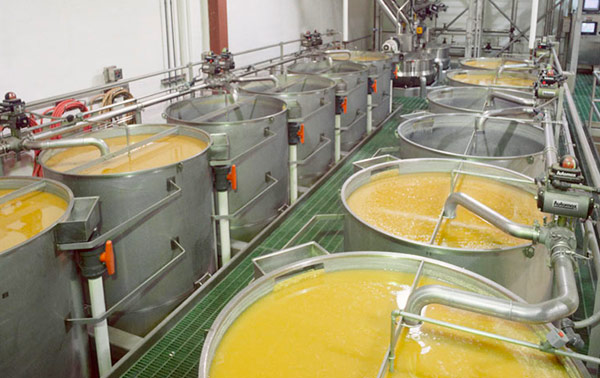

Cornflour is produced through a process known as wet milling. Here is a simplified explanation of how it is made:
Fresh corn kernels are cleaned to remove dirt, dust, and impurities.
The kernels are soaked in warm water (sometimes with a small amount of sulfur dioxide) for 30–48 hours. This softens the kernels and helps separate the components.
The softened kernels are ground to separate:
The starch is separated from other components using centrifuges and washing processes.
The pure starch is dried and ground into a fine powder — this becomes cornflour.
The final product contains almost pure starch with minimal protein or fat.
Cornflour is mainly carbohydrates and provides energy. Below is the approximate nutritional value per 100 grams:
It is low in:
Because it is highly refined, cornflour is mostly a source of quick energy.
Cornflour is extremely versatile. It is widely used in Indian, Chinese, Continental, and bakery recipes.
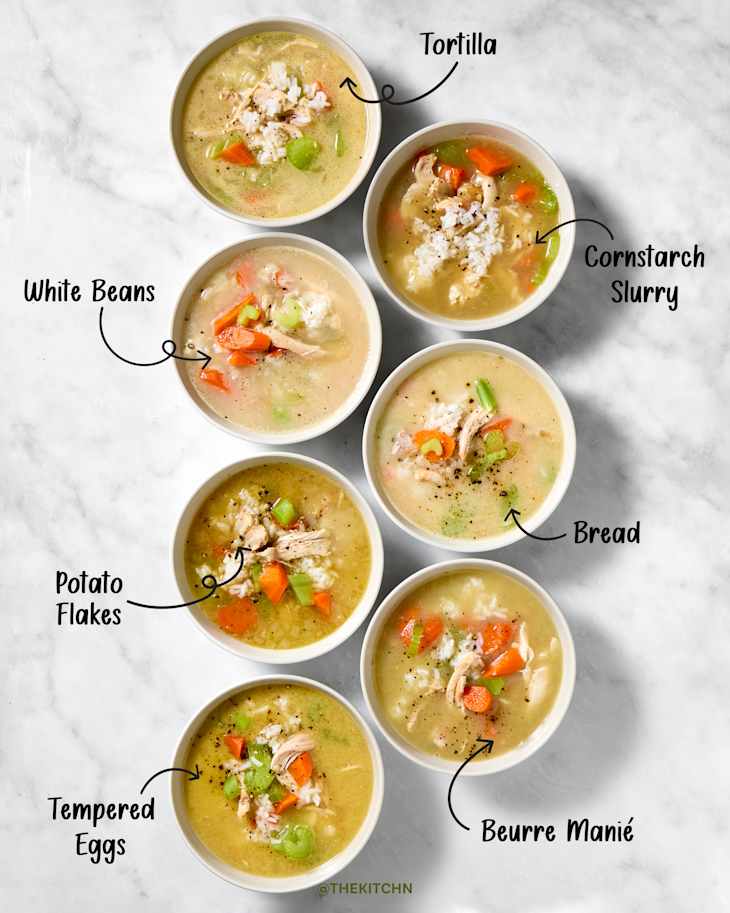
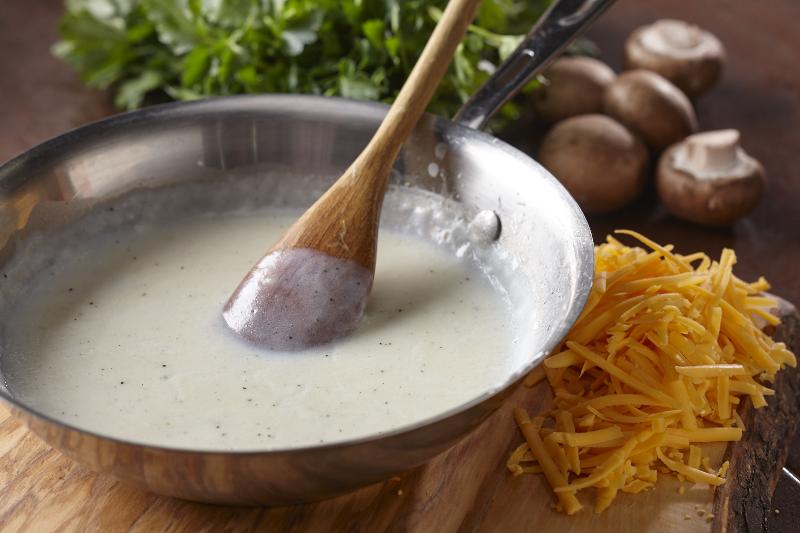

One of the most common uses of cornflour is as a thickening agent.
When mixed with cold water to form a slurry and added to hot liquids, cornflour thickens:
It creates a glossy, smooth texture.
Cornflour helps create a light, crispy coating when used in batters.
Used in:
It reduces gluten formation and creates crunchiness.
Cornflour is used in:
It softens baked goods and improves texture.
Common dessert applications include:
It prevents lumps and provides a smooth consistency.
In Indo-Chinese recipes like:
Cornflour slurry thickens sauces and gives a shiny finish.
Although cornflour is not considered a “superfood,” it has certain benefits.
Cornflour is naturally gluten-free, making it suitable for people with:
It can replace wheat flour in some recipes.
Since it is mostly carbohydrates, it provides quick energy, useful for:
Cornflour is light and easy to digest, especially when cooked properly. It is often used in baby foods and light meals.
It improves mouthfeel and texture in:
Some people use cornflour for:
However, these uses are cosmetic rather than medical.
Many people confuse these terms.
| Ingredient | Texture | Made From | Uses |
|---|---|---|---|
| Cornflour (India) | Fine white powder | Corn starch | Thickening, desserts |
| Cornstarch | Fine white powder | Corn starch | Same as above |
| Cornmeal | Coarse yellow powder | Whole corn | Makki roti, cornbread |
In India, cornflour and cornstarch usually mean the same thing.
Never add dry cornflour directly to hot liquids.
Mix it with cold water first to avoid lumps.
Typical ratio:
Cornflour thickens quickly. Add it towards the end.
Overheating can break down starch and thin the sauce again.
It works best for quick thickening rather than slow-cooked gravies.
Beyond cooking, cornflour is widely used in industries.
Used as:
Used for fabric starching.
Improves paper strength and finish.
Cornflour is safe when consumed in moderation. However, it is highly refined and lacks fiber and protein.
People with diabetes should use it carefully as it may spike blood sugar levels.
Cornflour is not ideal for weight loss because:
However, small amounts used for thickening will not significantly impact weight if consumed as part of a balanced diet.
To maintain freshness:
If exposed to moisture, it may form lumps.
Yes. Signs of spoilage include:
Proper storage extends shelf life.
Avoid these to get perfect results.
No. Maize flour is made from whole corn, while cornflour (in India) is pure starch.
Only partially. It lacks gluten and cannot provide structure alone in baking.
Yes, it is plant-based.
In small quantities and properly cooked, yes. Always consult a pediatrician.
Cornflour is a simple yet powerful kitchen ingredient made from the starchy part of corn kernels. It is widely used for thickening soups and sauces, creating crispy coatings, and preparing smooth desserts. The manufacturing process involves cleaning, soaking, grinding, separating starch, and drying to produce the fine white powder we use in cooking.
Although cornflour is not rich in nutrients, it offers benefits such as being gluten-free, easy to digest, and versatile in cooking. When used correctly and in moderation, it can greatly enhance the texture and quality of many dishes.
Whether you are preparing homemade gravies, restaurant-style Chinese dishes, or creamy desserts, cornflour remains an essential ingredient in modern kitchens.
Understanding its properties and correct usage will help you achieve better cooking results every time.
Share:

Agar agar has quietly become one of the most talked-about ingredients in kitchens that are moving away from gelatin. Veg...
Agar agar — the odourless, flavourless, plant-based gelling agent extracted from red algae — has quietly become one of t...
Dandruff affects nearly half of all adults at some point in their lives, leaving many people searching for effective rem...
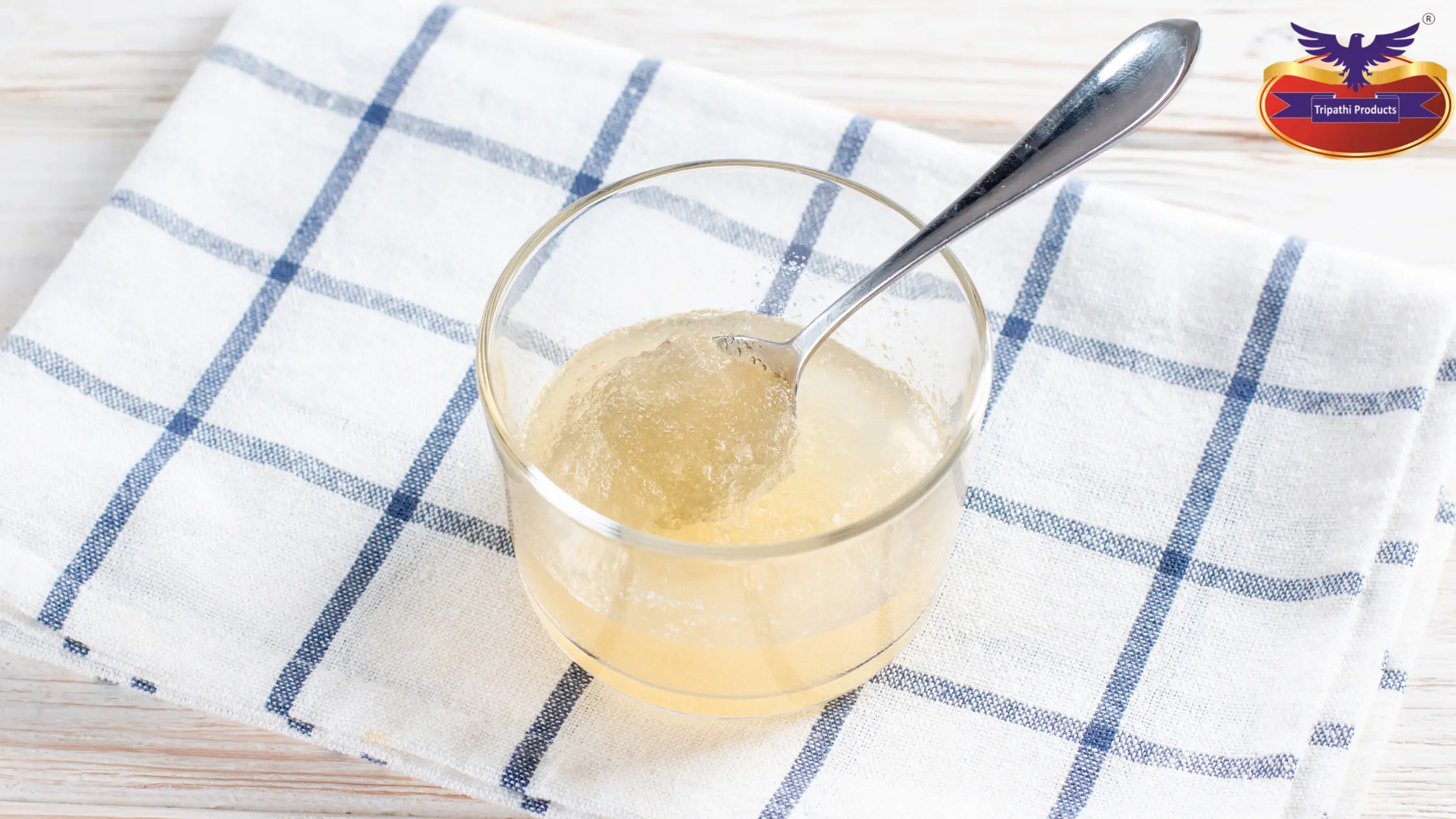
Agar agar powder has become one of the most popular plant-based gelling agents in modern kitchens. Derived from red seaw...