
Cart (0)
No products in the cart.
Cornflour, also known as cornstarch in many countries, is a common ingredient found in kitchens around the world. It is widely used as a thickening agent in soups, sauces, gravies, desserts, and fried foods. Despite its versatility and popularity, many people question its nutritional value and whether it is actually healthy.
This article explores the nutritional composition, health benefits, potential risks, and overall impact of cornflour on human health, helping you decide whether it deserves a place in your daily diet.
Cornflour is a fine, white powder made from the endosperm of corn kernels. The process involves separating the starchy part of the corn grain and grinding it into a smooth powder.
It is important to distinguish between:
Cornflour is highly refined, which significantly affects its nutritional profile.
Cornflour is primarily composed of carbohydrates, specifically starch. It contains very little protein, fat, fiber, vitamins, or minerals.
Cornflour is:
Because of this, it is often described as a âÂÂnutritionally emptyâ food.
Carbohydrates make up over 90% of cornflour. These are mainly in the form of starch.
Since it lacks fiber, the carbohydrates are absorbed quickly, making it a high glycemic food when cooked
Cornflour contains negligible protein.
Protein is essential for:
Because cornflour lacks protein, it does not contribute meaningfully to daily nutritional needs.
Cornflour is almost fat-free, which may seem beneficial. However:
Fiber content is extremely low.
Cornflour contains very small amounts of micronutrients, such as:
However, these are present in such small quantities that they do not significantly contribute to daily nutritional requirements
The reason cornflour is nutritionally poor lies in its processing method.
During processing:
This results in a highly refined product with minimal nutritional value.
Although cornflour is not nutrient-dense, it does have some limited benefits.
Due to its high carbohydrate content:
However, this energy is short-lived.
Cornflour is naturally gluten-free, making it suitable for:
It can replace wheat-based thickeners in cooking.
Cornflour is light and easy on the stomach:
Cornflour improves texture in foods:
While this is not a health benefit, it adds functional value in cooking.
Despite its uses, cornflour has several potential health concerns.
Cornflour can cause:
This is especially problematic for:
High glycemic foods are linked to metabolic disorders
Because it is:
Cornflour does not keep you full, which may lead to:
Cornflour is often referred to as empty calories.
Regular consumption may lead to nutrient deficiencies if not balanced properly.
Diets high in refined carbohydrates (like cornflour) are associated with:
Cornflour is a refined product, which means:
Frequent intake of processed foods is linked to chronic diseases.
| Nutrient | Cornflour | Whole Corn |
|---|---|---|
| Fiber | Very low | High |
| Protein | Low | Moderate |
| Vitamins | Minimal | Rich |
| Minerals | Minimal | Good |
| Processing | Highly refined | Natural |
Whole corn is clearly more nutritious because it retains all parts of the grain.
The answer is both yes and no, depending on how it is used.
Cornflour is acceptable when:
Since most recipes use only 1âÂÂ2 tablespoons, its impact is usually minimal
Cornflour may be harmful when:
Certain groups should be cautious:
You donâÂÂt need to eliminate cornflour completely. Instead:
Pair with:
Healthier substitutes include:
Cornflour is often used in fried items, which:
Reality: It is low in nutrients and mainly provides calories.
Reality: It lacks fiber and protein, making it unsuitable for weight loss diets.
Reality:
In India, cornflour is commonly used in:
While these dishes are tasty, frequent consumption can:
Cornflour is not inherently harmful, but it is also not particularly healthy.
Cornflour is best viewed as a functional ingredient rather than a health food. It serves an important role in cooking, improving texture and consistency, but offers little nutritional benefit.
If used occasionally and in small amounts, it is perfectly safe for most people. However, relying on cornflour as a major part of your diet can lead to health issues due to its high carbohydrate content and lack of essential nutrients.
For better health, focus on whole, unprocessed foods and use cornflour sparingly as part of a balanced diet.
Share:

Black mustard seeds—commonly known as sarson in India—are a staple ingredient in many kitchens, especially in Bengali, S...
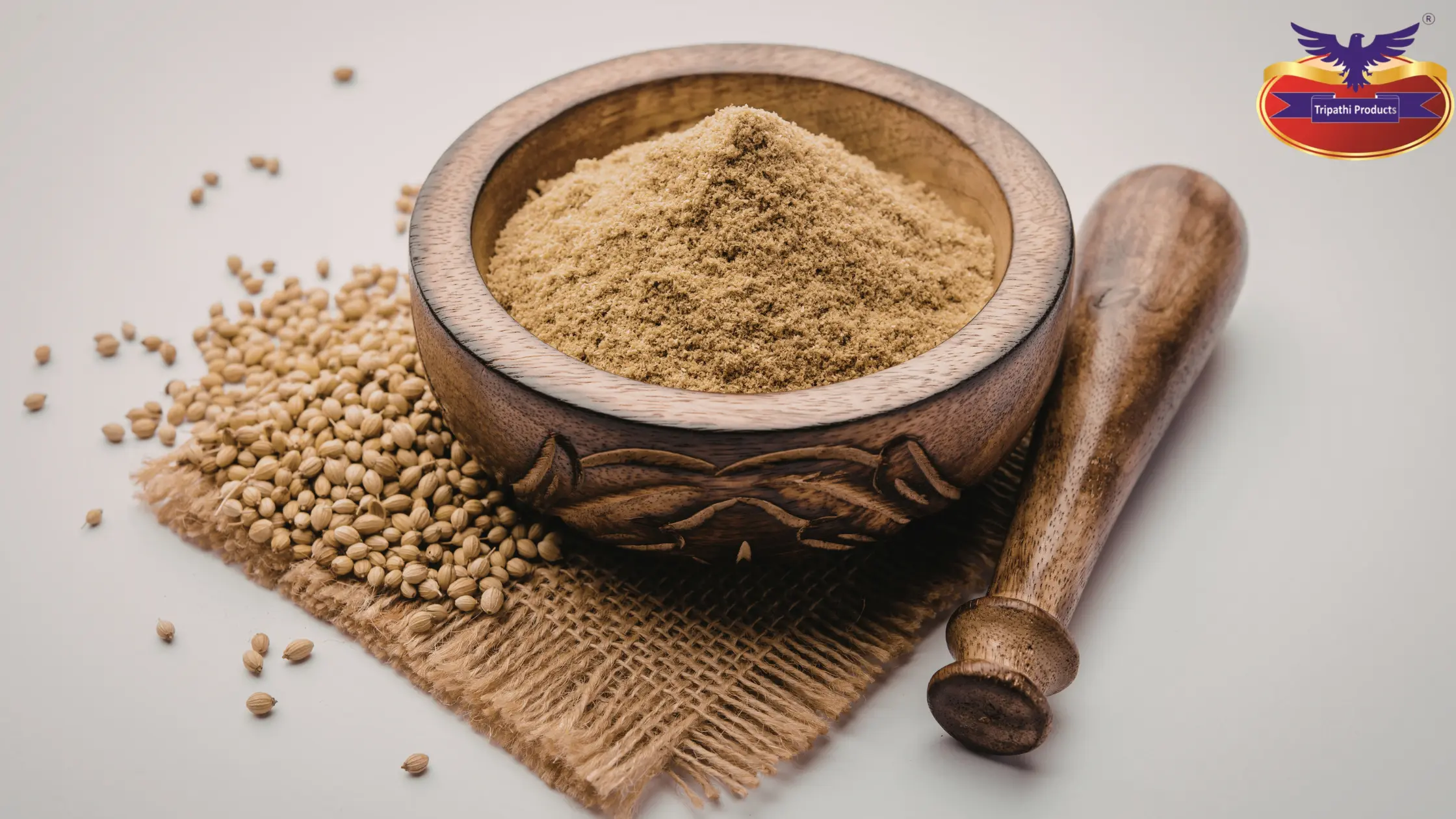
Coriander powder, derived from dried seeds of the coriander plant (Coriandrum sativum), is a staple in Indian kitchens a...
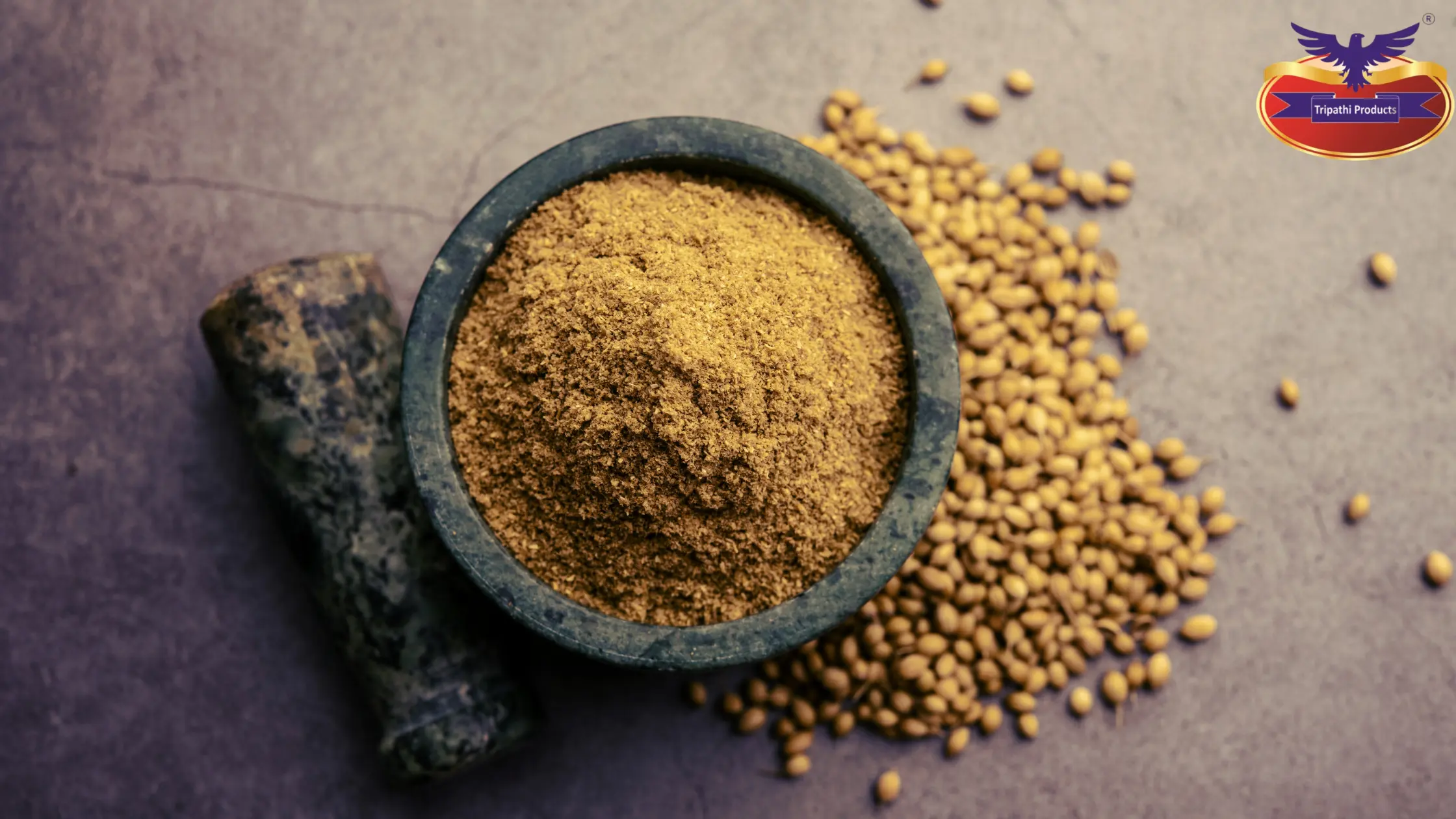
Coriander powder—made from dried seeds of Coriandrum sativum—is a staple spice in Indian kitchens. Beyond its warm, citr...
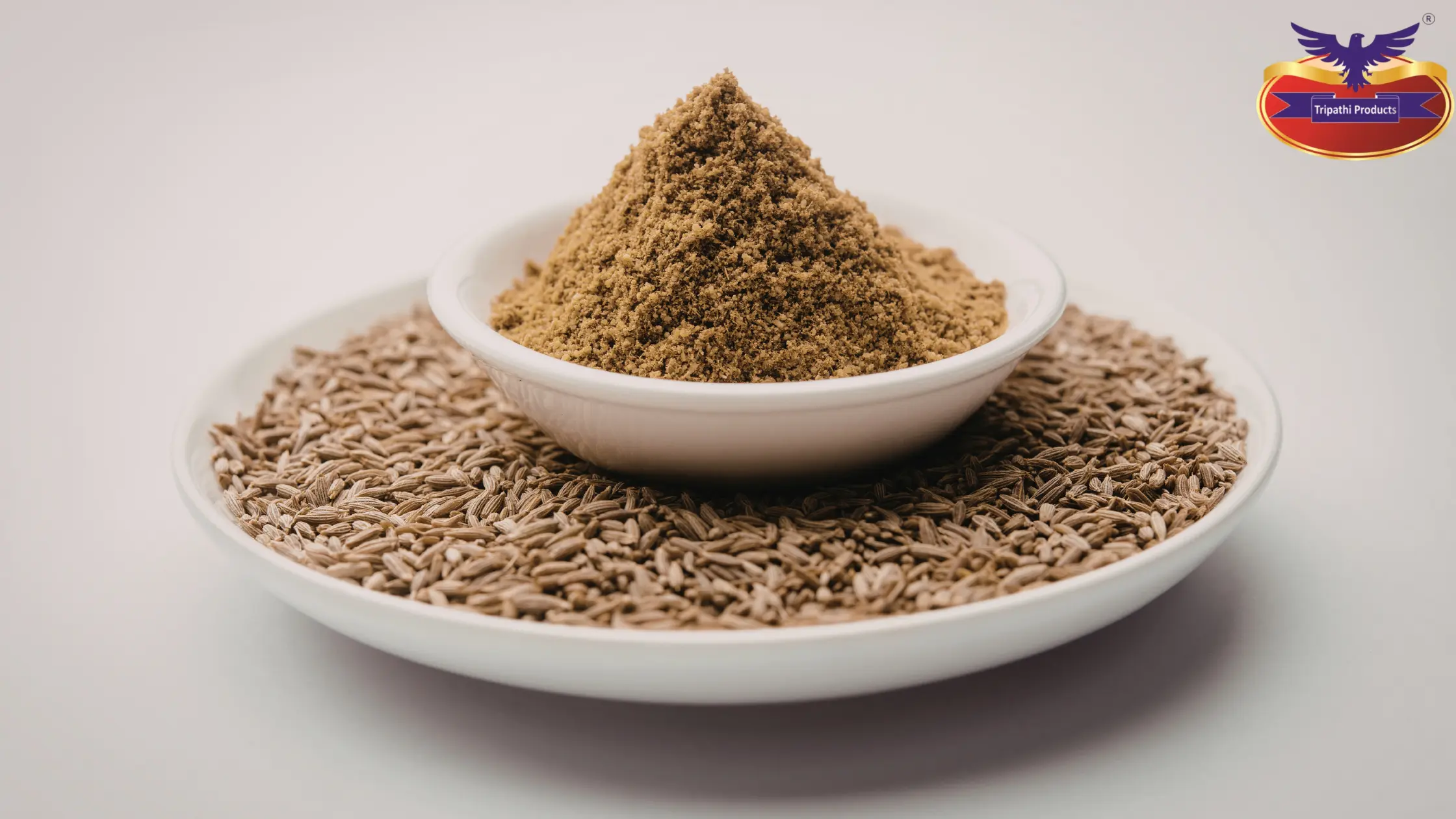
Jeera powder (ground cumin) is one of the most commonly used spices in Indian kitchens. Beyond its distinct aroma and fl...