
Cart (0)
No products in the cart.
Hair thinning is a widespread concern affecting both men and women across different age groups. Unlike sudden hair fall, thinning happens gradually and often goes unnoticed until the scalp becomes more visible or hair volume reduces significantly. Understanding the common causes of hair thinning is essential for early prevention and effective management.
This authoritative article explains the major factors responsible for hair thinning and how they impact hair health.
One of the most common causes of hair thinning is genetic predisposition, also known as androgenetic alopecia.
How it affects hair:
Genetic hair thinning often follows predictable patterns and progresses slowly if left untreated.
Hormones play a crucial role in regulating hair growth. Fluctuations or imbalances can disrupt the hair cycle.
Common hormonal triggers include:
Hormonal hair thinning is often diffuse, affecting overall scalp density.
Hair follicles require a steady supply of nutrients to grow strong hair.
Key deficiencies linked to thinning include:
Even mild deficiencies can weaken hair shafts, reduce growth rate, and increase shedding.
Physical or emotional stress can push hair follicles into the resting phase prematurely, causing noticeable thinning.
Stress-related factors include:
Stress-induced thinning often appears 2–3 months after the triggering event.
Frequent exposure to harsh chemicals and heat damages the hair shaft and scalp.
Contributing practices:
These weaken hair strands, leading to breakage that mimics thinning.
A healthy scalp is essential for strong hair growth.
Scalp issues that cause thinning:
An unhealthy scalp environment can restrict nutrient delivery to follicles.
Certain medications and health conditions can contribute to hair thinning.
Common examples include:
Hair thinning caused by medication may improve once treatment ends.
As part of the natural aging process:
Aging-related thinning is natural but can be managed with proper care.
Constant pulling on hair damages follicles over time.
Risky habits include:
This type of thinning, known as traction alopecia, is preventable.
Hair thinning often results from multiple factors rather than a single cause. Early signs include:
Consulting a healthcare or hair care professional helps determine the root cause.
In many cases, hair thinning can be slowed or partially reversed by:
Early intervention leads to better outcomes.
Hair thinning is a complex condition influenced by genetics, hormones, nutrition, lifestyle, and scalp health. Recognizing the underlying causes allows for targeted solutions and better long-term hair management. With consistent care and timely action, it is often possible to preserve hair density and maintain healthier hair.
Share:

Black mustard seeds—commonly known as sarson in India—are a staple ingredient in many kitchens, especially in Bengali, S...
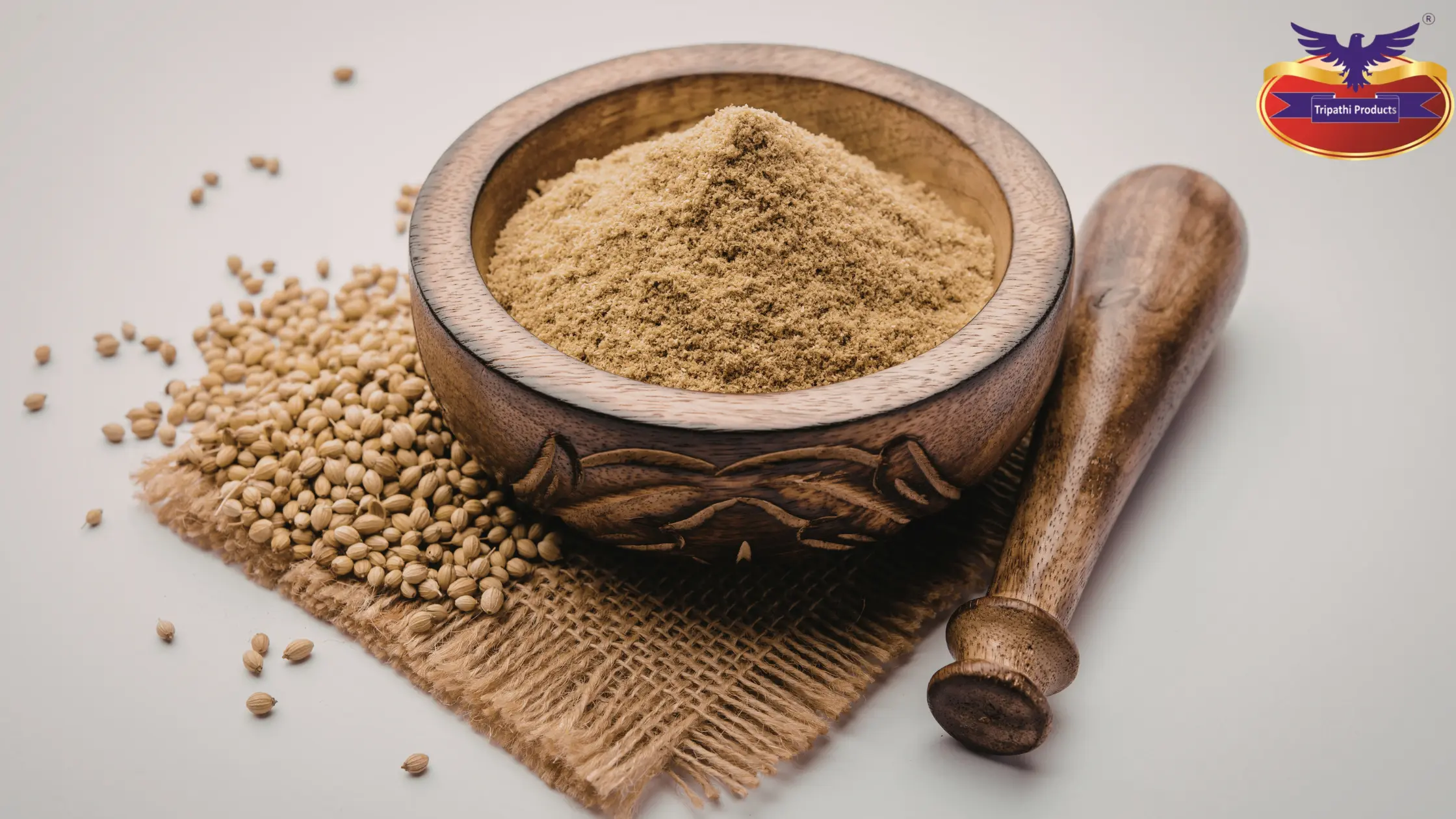
Coriander powder, derived from dried seeds of the coriander plant (Coriandrum sativum), is a staple in Indian kitchens a...

Coriander powder—made from dried seeds of Coriandrum sativum—is a staple spice in Indian kitchens. Beyond its warm, citr...
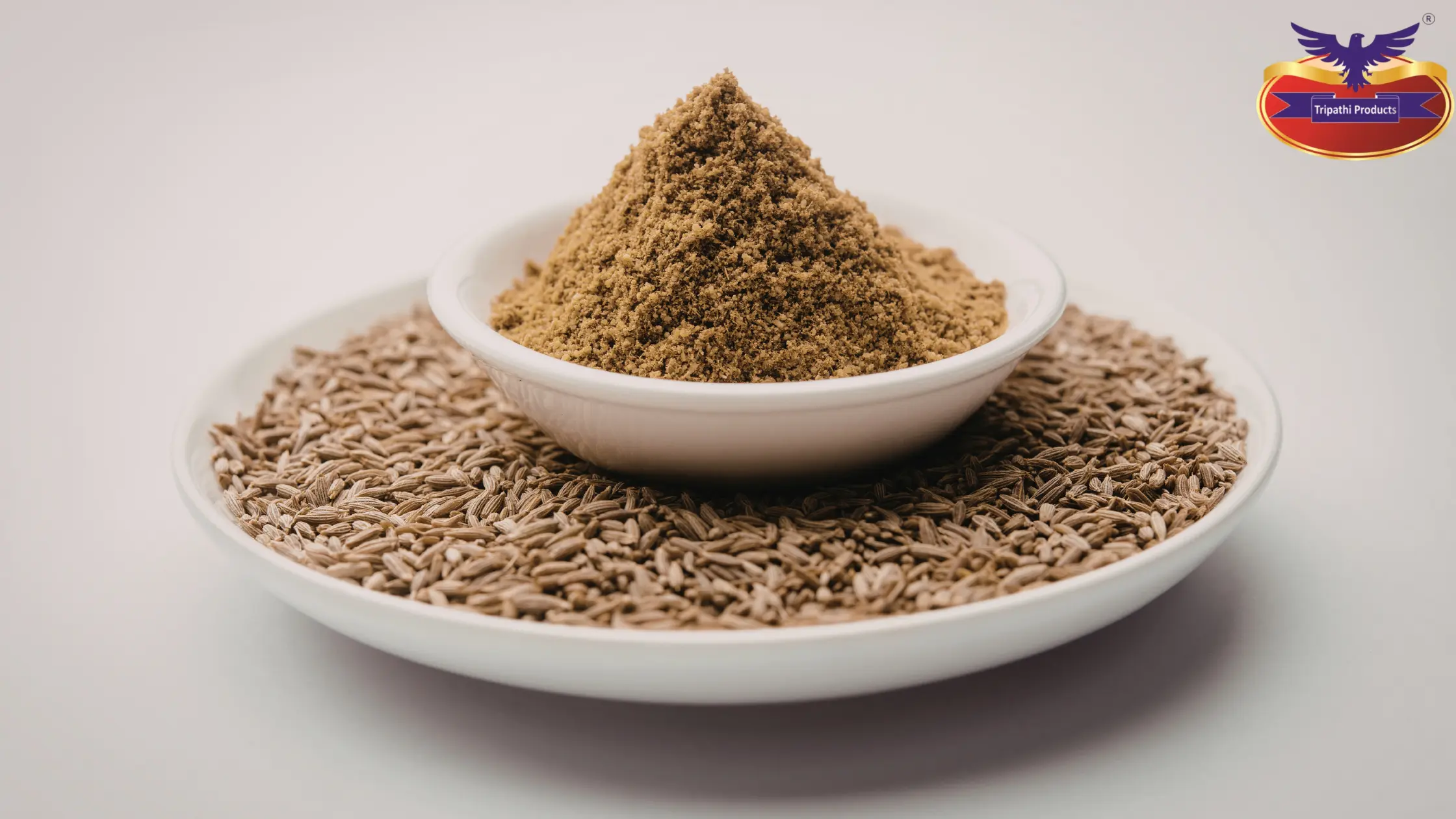
Jeera powder (ground cumin) is one of the most commonly used spices in Indian kitchens. Beyond its distinct aroma and fl...