
Cart (0)
No products in the cart.
Rosemary (Rosmarinus officinalis) is a popular herb widely used in cooking, herbal teas, essential oils, and natural beauty products. While rosemary offers many benefits, excessive or improper use may cause side effects, especially when consumed in large amounts or used in concentrated forms like essential oil. Understanding rosemary’s possible side effects helps ensure safe and responsible use.
Rosemary is generally safe when used in normal culinary quantities. However, side effects may occur when rosemary is consumed in high doses, taken as supplements, or applied undiluted as essential oil.
Excessive consumption of rosemary may cause:
This is more likely when rosemary is consumed as concentrated tea or extract.
Some individuals may experience allergic reactions, especially when using rosemary oil or topical products.
Possible symptoms include:
A patch test is always recommended before topical use.
Undiluted rosemary essential oil can cause:
Rosemary oil should always be diluted with a carrier oil before use.
Rosemary may influence blood circulation and blood pressure. People with high blood pressure should use rosemary cautiously and consult a healthcare professional before regular use.
Very high doses of rosemary, particularly in extract or oil form, may increase the risk of seizures, especially in individuals with epilepsy or seizure disorders.
Rosemary may have mild hormonal effects. People with hormone-sensitive conditions should seek medical advice before frequent use.
When consumed in excess, rosemary tea may cause:
Moderate intake (1–2 cups per day) is generally considered safe.
Rosemary essential oil is highly concentrated and may cause:
Always use rosemary oil in diluted form.
Rosemary should be used cautiously or avoided by:
Can rosemary cause side effects?
Yes, rosemary may cause side effects when used excessively or improperly.
Is rosemary safe for daily use?
Yes, rosemary is safe in small culinary amounts and moderate tea consumption.
Can rosemary oil be applied directly to skin?
No, rosemary oil should always be diluted before skin application.
Rosemary is a beneficial and widely used herb, but like any natural ingredient, it should be used responsibly. Most side effects occur due to overuse or improper application, especially with rosemary oil and concentrated extracts. When used in moderation, rosemary is generally safe for daily use.
Moderation and proper usage are key to enjoying rosemary safely.
Share:

Black mustard seeds—commonly known as sarson in India—are a staple ingredient in many kitchens, especially in Bengali, S...
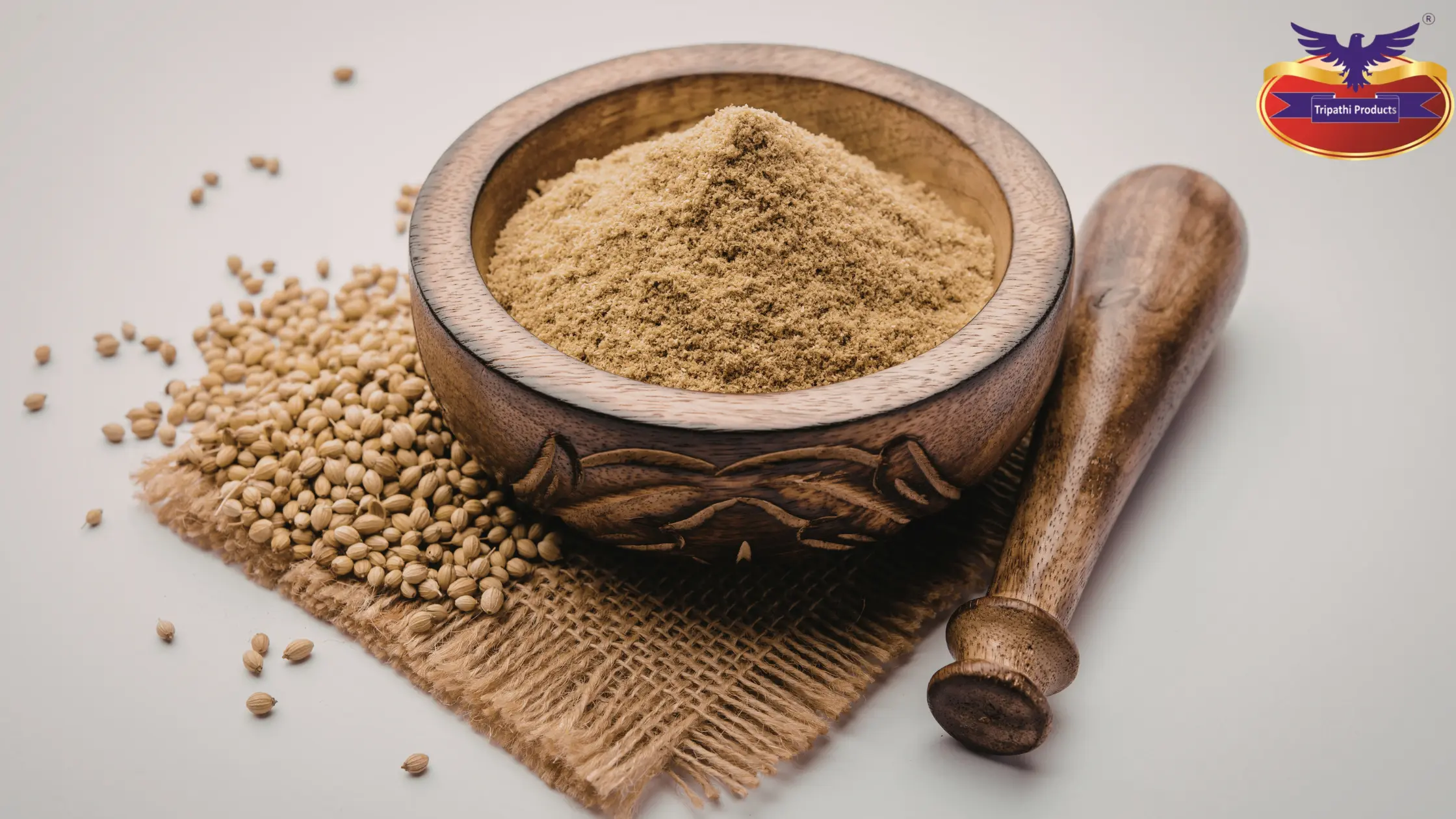
Coriander powder, derived from dried seeds of the coriander plant (Coriandrum sativum), is a staple in Indian kitchens a...

Coriander powder—made from dried seeds of Coriandrum sativum—is a staple spice in Indian kitchens. Beyond its warm, citr...
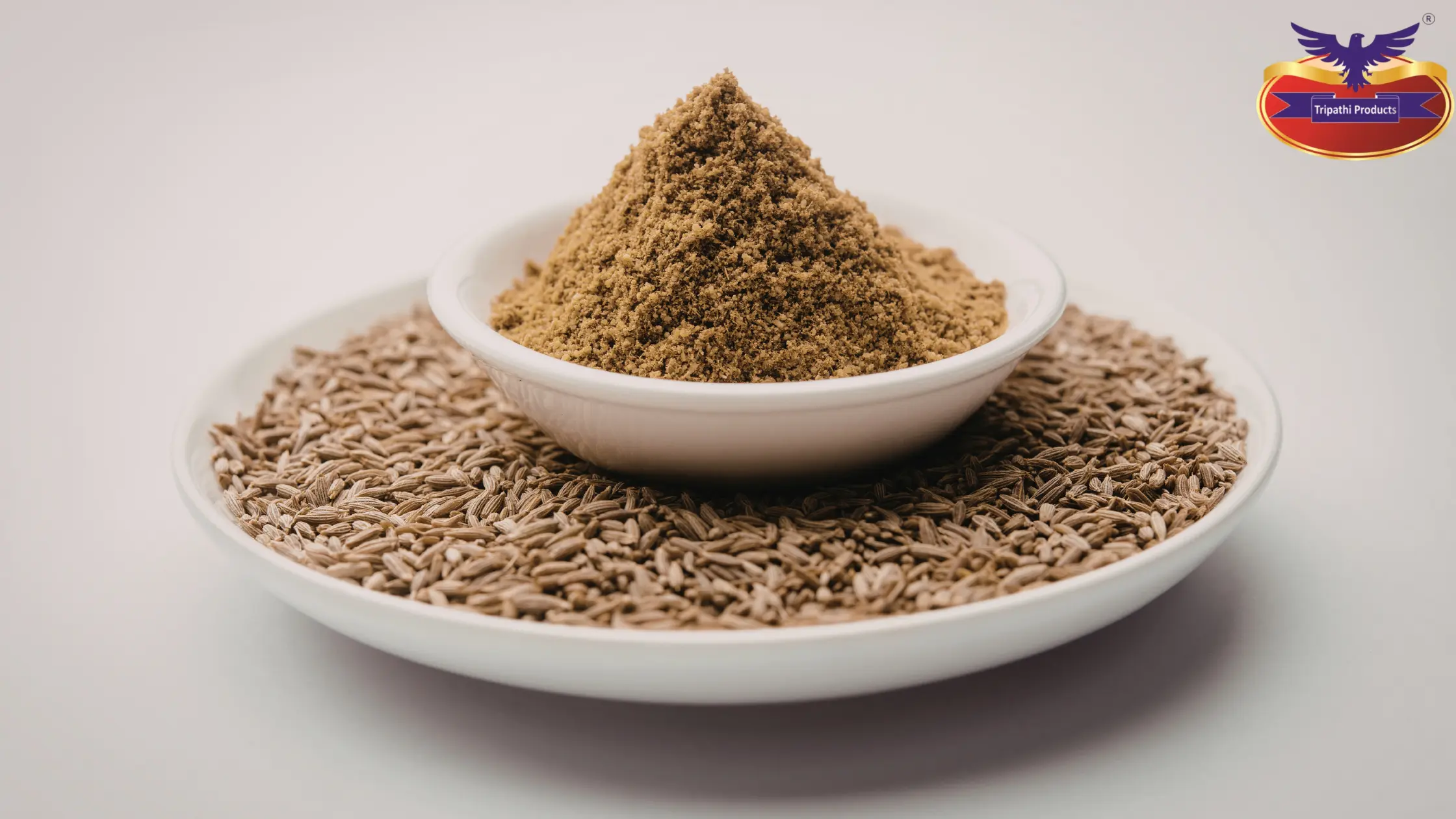
Jeera powder (ground cumin) is one of the most commonly used spices in Indian kitchens. Beyond its distinct aroma and fl...