
Cart (0)
No products in the cart.
Cornflour — also called corn starch in many countries — is a pantry staple for thickening sauces, baking, and even DIY cleaning. But like all food products, cornflour doesn’t last forever. Understanding its shelf life, how to store it properly, how to tell if it’s gone bad, and how to extend its usability can save you money and keep your cooking safe and delicious.
In this detailed guide, we’ll explore:
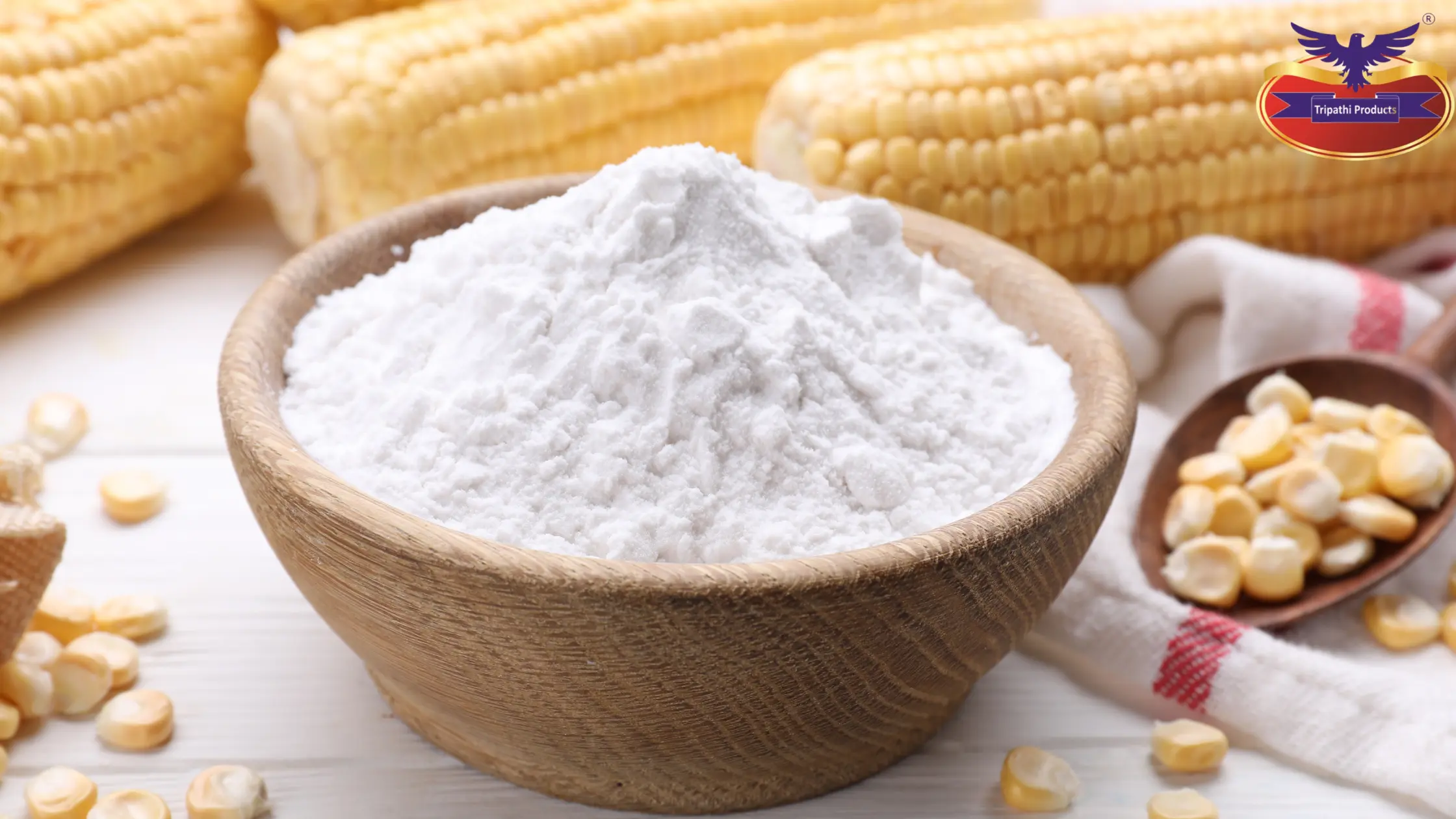
Cornflour is a fine, white powder extracted from the endosperm of corn kernels. It’s almost pure starch and contains no gluten, making it popular for thickening sauces, gravies, and soups. In baking, it can improve texture, soften crumb, or be used in gluten-free recipes.
Although it’s shelf-stable, cornflour is still a carbohydrate product that can eventually deteriorate if stored improperly or kept too long.
The shelf life of cornflour depends on whether the package is unopened, opened, and how it’s stored.
Why such long shelf life?
Cornflour contains almost no fat — one of the main drivers of rancidity — so it stays stable longer than many other pantry staples.
Once opened, air, humidity, and possible contaminants can affect quality.
While cornflour itself is stable, several factors can shorten its usable life:
Cornflour absorbs moisture easily. Once damp, it can clump, spoil, or grow mold.
High temperatures — especially in humid kitchens or near stoves — accelerate deterioration.
Exposure to air oxidizes the starch and can let unwanted odors seep in.
Using wet spoons, scoops with food residue, or storing it near spices can introduce bacteria.
To maximize cornflour’s shelf life, follow these storage best practices:
Moisture is the #1 enemy. Always use dry scoops and keep the container sealed.
After opening:
This slows moisture and air exposure.
Store cornflour in a cupboard or pantry away from heat sources like:
Ideal storage temperature is below 25°C (77°F).
Refrigerators and freezers are humid — not ideal for dry powders. Moisture can condense inside the container.
Cornflour doesn’t always show obvious signs of spoilage, but here are clear indicators it’s no longer good:
Fresh cornflour is nearly odorless. Any sour, musty, or rancid smell means it’s no longer good.
Healthy cornflour is white or cream-colored. Yellowing, grey or dark streaks indicate spoilage.
If it feels damp, lumpy, sticky, or hard to break apart, moisture has affected it.
Flour bugs, weevils, or tiny insects may infest old cornflour — time to discard.
Mold growth — fuzzy, green, black, or pink spots — is a definite sign to throw it away.
Best-by dates aren’t expiration dates — they indicate peak quality.
If your cornflour:
It’s usually safe to use even past the best-by date.
However:
Tip: Test older cornflour in a small batch before using in a full recipe.
Cornflour that’s a year or two old can still thicken sauces effectively — as long as it’s dry.
For cookies, cakes, and breads:
If it’s dry and clean:
Freezing cornflour is generally not recommended.
Why?
If you absolutely must freeze por longer storage (e.g., bulk purchases), follow these steps:
Smaller containers are used up faster — less time open, less chance of moisture.
Air and humidity accelerate deterioration.
Never mix wet spoons or measuring cups into the cornflour container.
Every few months, check for:
Cornflour can pick up scents — keep it away from spices like garlic powder or chili.
Truth: Properly stored cornflour can last years — much longer than many people think.
Truth: Refrigerators add humidity — not ideal for cornflour.
Truth: If it clumps due to humidity but has no smell or bugs, you can sift it and still use it — but quality may suffer.
In many places, “cornflour” and “cornstarch” refer to the same product. However:
Regardless of naming:
Always check the label.
If your cornflour clumps due to moisture:
If it still smells off or feels wet inside, discard it.
Dispose of cornflour if you notice:
When in doubt, throw it out — it’s not worth risking foodborne illness.
Even if cornflour is past its best-by date but still usable, you can use it for:
As a thickener.
Helps crispy texture.
Safe non-toxic craft activity.
Cornflour mixed with water can polish stainless steel or remove grease.
Some people use it as a dry shampoo alternative — but check that it’s free from bugs and smells.
Cornflour is one of the longest-lasting pantry staples when stored properly. While it can technically last years unopened, how you store it once opened matters greatly.
Here’s a quick summary:
| Condition | Typical Shelf Life |
|---|---|
| Unopened (cool, dry storage) | 2–4 years |
| Opened (airtight, dry storage) | 12–24 months |
| Improper storage (humidity/heat) | Shorter lifespan |
Remember:
With these tips, your cornflour can stay usable longer — saving you trips to the grocery store and keeping your dishes perfect every time.
Share:
Understanding what foods are gluten-free can be confusing — especially when ingredients have similar names or vary by re...

Cooking and baking often hinge on choosing the right ingredients — even the most basic ones like flours can make or brea...
In kitchens around the world, two pantry staples commonly used for thickening sauces, soups, and batters—cornflour and c...
Cornflour is one of the most commonly used kitchen ingredients across the world. From thickening soups and gravies to cr...