
Cart (0)
No products in the cart.
Agar agar has become a popular plant-based gelling agent in modern kitchens, especially among vegetarians and vegans. Extracted from red seaweed, it is widely used to set puddings, jellies, cheesecakes, custards, marshmallows, and even decorative cake toppings. But what happens when a recipe calls for agar agar and you don’t have it on hand?
Whether you are baking at home or developing commercial recipes for your brand, understanding how to substitute agar agar correctly is essential. Agar behaves differently from many other thickeners and gelling agents, so choosing the right alternative depends on the type of recipe you’re preparing.
In this detailed guide, you’ll learn:
What agar agar does in baking
Why you might need a substitute
The best agar agar replacements
Conversion ratios
How substitutes affect texture and taste
Vegan and non-vegan alternatives
Professional tips for perfect results
Let’s begin.
Agar agar is a natural polysaccharide derived from seaweed. It acts as:
A gelling agent
A thickener
A stabilizer
A vegetarian alternative to gelatin
Unlike gelatin, agar sets firmly at room temperature and does not require refrigeration to solidify. It also produces a firmer and more brittle gel compared to the elastic texture of gelatin.
In baking and dessert recipes, agar agar is commonly used in:
Vegan cheesecakes
Mirror glazes
Fruit jellies
Panna cotta
Custards
Mousses
Marshmallows
Toppings and fillings
However, because agar sets quickly and firmly, replacing it requires understanding the final texture you want.
There are several reasons you may need an alternative:
Availability issues – Agar agar is not always easily available in local grocery stores.
Cost considerations – It may be more expensive than common thickeners.
Texture preference – Some people prefer a softer, creamier gel.
Recipe modification – You may want to adjust firmness.
Allergy or dietary adjustments – Though rare, some prefer other plant-based options.
Before choosing a substitute, always ask:
Does the recipe require firm slicing?
Is the gel soft and creamy?
Is it for baking or no-bake?
Is it vegan?
The answers determine your best alternative.

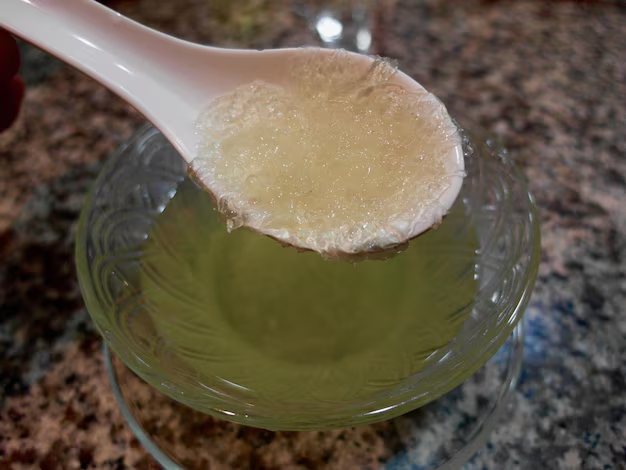

Gelatin is the closest functional substitute for agar agar. It is derived from animal collagen and widely used in desserts.
Softer and more elastic texture
Melts at body temperature
Requires refrigeration to set
Not vegetarian or vegan
Agar is stronger than gelatin.
1 teaspoon agar powder ≈ 2 to 2.5 teaspoons gelatin powder
Cheesecakes
Mousses
Puddings
Custards
Marshmallows
Always bloom gelatin in cold water before heating. Never boil it, as high heat reduces its setting ability.


Cornstarch works well when agar is being used as a thickener rather than a firm setting agent.
Thickens but does not create a firm gel
Produces a glossy finish
Needs heat activation
Replace 1 teaspoon agar with 1 tablespoon cornstarch mixed in water.
Pie fillings
Sauces
Custards
Fruit toppings
Firm jelly cubes
Vegan marshmallows
Sliceable desserts


Pectin is naturally found in fruits and is commonly used in jams and jellies.
Works best with sugar and acid
Creates soft, jam-like texture
Ideal for fruit recipes
Follow package instructions, as pectin strength varies.
Fruit jellies
Jam-based desserts
Fruit glazes
Dairy-based recipes
Cheesecakes
Arrowroot is a plant-based starch similar to cornstarch but produces a clearer finish.
Smooth texture
Not suitable for firm gels
Sensitive to high heat
Use 2 tablespoons arrowroot for every 1 teaspoon agar.
Sauces
Fruit fillings
Light custards
Tapioca provides chewiness and mild thickening.
Puddings
Pie fillings
Cream-based desserts
It does not replicate agar’s firm texture but adds body.
Xanthan gum thickens liquids and stabilizes mixtures but does not form a firm gel like agar.
Use only small amounts (¼ teaspoon at a time).
If you need a plant-based replacement, consider:
Pectin
Arrowroot
Tapioca starch
Carrageenan (another seaweed extract)
Carrageenan is actually closer to agar in function and can be used in similar applications, especially in dairy-free puddings.
If agar is unavailable:
Use gelatin (non-vegan)
Or combine cornstarch + coconut oil (vegan)
For firm slicing, gelatin gives best results.
Best substitute: Pectin or gelatin.
If using gelatin:
Double the quantity compared to agar.
Chill for at least 4 hours.
Gelatin is ideal here because panna cotta traditionally has a soft wobble.
Cornstarch or arrowroot works better than gelatin if you want a creamy, spoonable texture.
Gelatin is commonly used. Agar creates a firmer glaze but sets faster.
One of the biggest challenges when replacing agar agar is matching texture.
| Ingredient | Texture | Sets at Room Temp? | Vegan? |
|---|---|---|---|
| Agar Agar | Firm, brittle | Yes | Yes |
| Gelatin | Soft, elastic | No | No |
| Cornstarch | Thick, creamy | No | Yes |
| Pectin | Soft gel | Yes (with sugar) | Yes |
| Arrowroot | Smooth thickening | No | Yes |
Choosing the wrong substitute can dramatically change your dessert.
Using equal amounts of gelatin and agar (incorrect ratio)
Boiling gelatin
Not activating cornstarch with heat
Forgetting that agar sets quickly
Ignoring sugar requirement when using pectin
If you are developing recipes for commercial use (such as baking mixes or dessert ingredients):
Always run small test batches
Record exact gram measurements
Consider humidity and temperature
Label clearly if vegan or non-vegan
Adjust sugar levels when using pectin
For consistent results in packaged baking ingredients, maintaining standardized gel strength is essential.
Avoid substitution if:
The recipe requires room-temperature stability
You need sharp-cut jelly cubes
It’s a vegan commercial product
Texture precision is critical
In these cases, it is better to use agar agar directly.
Substituting agar agar in baking recipes is absolutely possible—but it requires understanding texture, structure, and setting behavior.
Here’s a quick summary:
For closest match (non-vegan): Use gelatin
For fruit-based recipes: Use pectin
For thickening only: Use cornstarch or arrowroot
For vegan options: Use pectin or carrageenan
Each substitute changes the final result slightly, so adjust expectations and test carefully.
With the right approach, you can confidently modify any recipe—even without agar agar in your pantry.
Share:

Moringa powder is an easy way to add a green ingredient to your everyday meals and drinks. Made from dried moringa leave...
There is something almost magical about a perfect chocolate mousse. It slides onto your spoon like silk, dissolves on yo...
There's a particular kind of magic in cutting into a cheesecake and watching it hold its shape — smooth, dense, and glos...
There is something quietly magical about watching a pool of fruit juice transform into a jiggly, translucent jelly right...