
Cart (0)
No products in the cart.
Flax seeds are one of the most nutritious superfoods you can easily include in your daily diet. Small in size but powerful in benefits, these tiny seeds are packed with fiber, healthy fats, and plant-based nutrients. Roasting flax seeds at home enhances their nutty flavor, improves texture, and makes them more enjoyable to eat.
In this complete guide, you will learn everything about how to roast flax seeds at home, including methods, tips, storage, health benefits, and common mistakes to avoid.

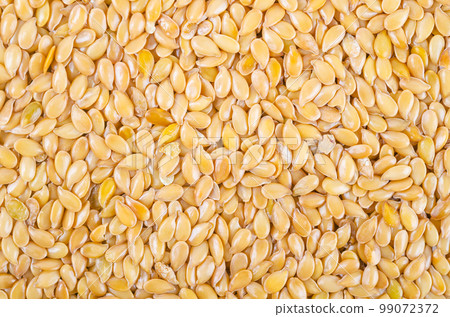

Flax seeds come from the flax plant, scientifically known as Linum usitatissimum . They have been cultivated for thousands of years and are known for both their fiber (linen production) and nutritional value.
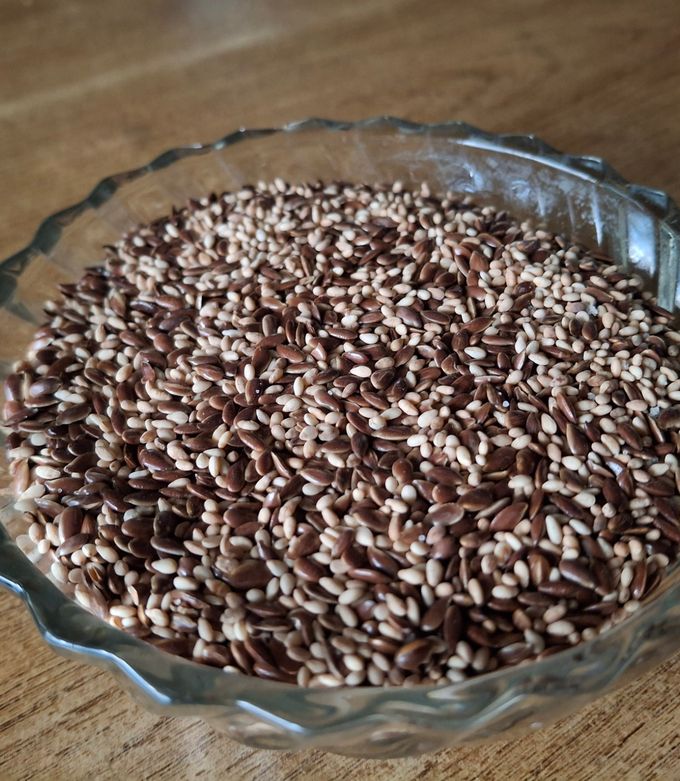
There are two main types of flax seeds:
Brown flax seeds
Golden flax seeds
Both varieties offer similar nutritional benefits, though golden flax seeds are slightly milder in taste.
You can consume flax seeds raw, but roasting offers several advantages:
Roasting gives flax seeds a warm, nutty aroma and richer taste.
Roasted seeds become crispier, making them perfect for sprinkling over salads, yogurt, or smoothies.
Light roasting may improve digestibility and make nutrients more accessible.
Properly roasted and stored seeds may last longer compared to raw seeds.
Flax seeds are known as a nutritional powerhouse. They contain:
Omega-3 fatty acids (especially ALA – Alpha Linolenic Acid)
High dietary fiber
Plant-based protein
Lignans (powerful antioxidants)
Vitamins and minerals like magnesium, phosphorus, and iron
Supports heart health
Helps in weight management
Improves digestion
Balances blood sugar levels
Promotes healthy skin and hair
Roasting does not significantly destroy nutrients if done at low to medium heat.
There are three simple methods you can use:
Pan roasting (stovetop method)
Oven roasting
Microwave roasting
Let’s explore each in detail.

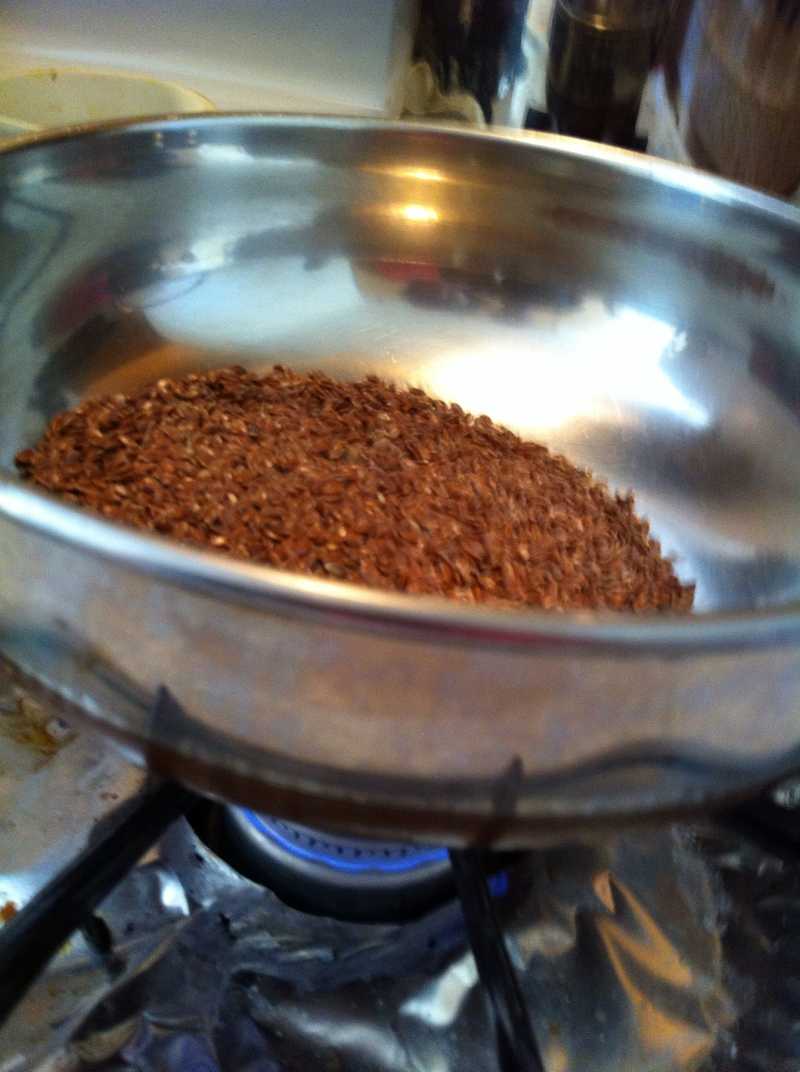
This is the most common and easiest method.
1 cup flax seeds
Heavy-bottom pan or skillet
Spatula
Airtight container
Step 1: Preheat the Pan
Place a heavy-bottom pan on medium-low heat. Do not add oil.
Step 2: Add Flax Seeds
Add flax seeds in a single layer.
Step 3: Stir Continuously
Keep stirring to ensure even roasting and prevent burning.
Step 4: Roast for 5–7 Minutes
You will notice:
A nutty aroma
Slight crackling sound
Light browning
Step 5: Cool Completely
Transfer to a plate and allow them to cool before storing.
Always roast on low to medium heat.
Do not overheat; high temperature can destroy omega-3 fats.
Stir continuously.


This method is ideal if you want to roast a large quantity.
2–3 cups flax seeds
Baking tray
Parchment paper
Oven
Step 1: Preheat Oven
Preheat oven to 180°C (350°F).
Step 2: Spread Seeds
Spread flax seeds evenly on a lined baking tray.
Step 3: Roast for 8–10 Minutes
Stir halfway through for even roasting.
Step 4: Check for Aroma
Seeds will release a nutty fragrance when ready.
Step 5: Cool and Store
Do not exceed 10–12 minutes. Over-roasting may cause bitterness.


This method is quick but requires attention.
Place flax seeds in a microwave-safe bowl.
Microwave for 1 minute.
Stir.
Microwave in 30-second intervals.
Total time: 2–3 minutes.
Let them cool completely before use.
Look for these signs:
Light golden color
Pleasant nutty aroma
Slight crackling sound
Crisp texture after cooling
If seeds turn dark brown or smell burnt, they are over-roasted.
Using high heat
Not stirring regularly
Adding oil unnecessarily
Overcrowding the pan
Storing before cooling
Avoiding these mistakes ensures perfectly roasted flax seeds.
Flax seeds are often consumed in ground form.
Whole seeds may pass through digestion undigested.
Ground flax seeds allow better nutrient absorption.
You can:
Roast first, then grind.
Grind first, then lightly toast (less recommended).
Best method: Roast lightly, cool completely, then grind in a mixer or grinder.
Proper storage is important because flax seeds contain natural oils that can go rancid.
Cool completely before storing.
Use airtight glass container.
Store in refrigerator for long-term freshness.
Avoid moisture exposure.
Room temperature: 2–3 weeks
Refrigerator: 2–3 months
Freezer: Up to 6 months
If seeds smell sour or bitter, discard them.


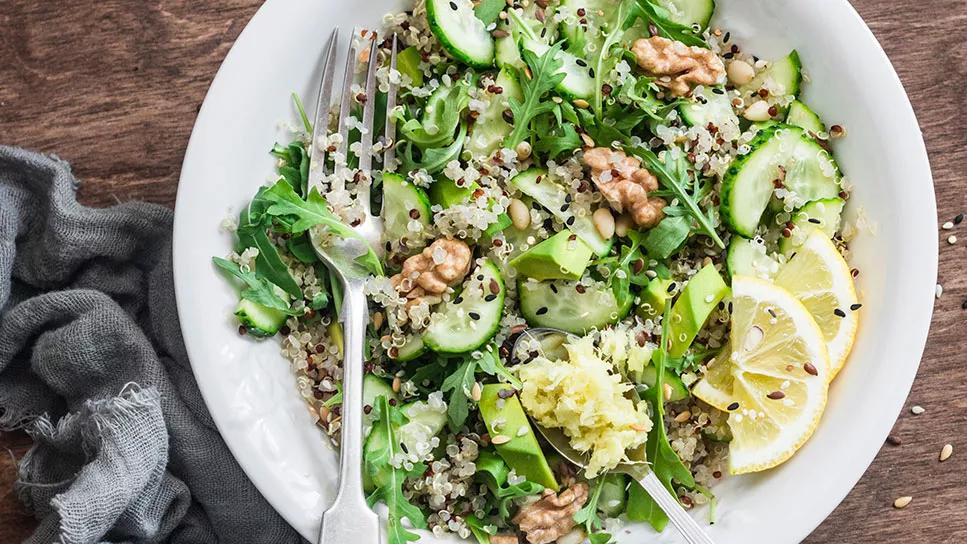
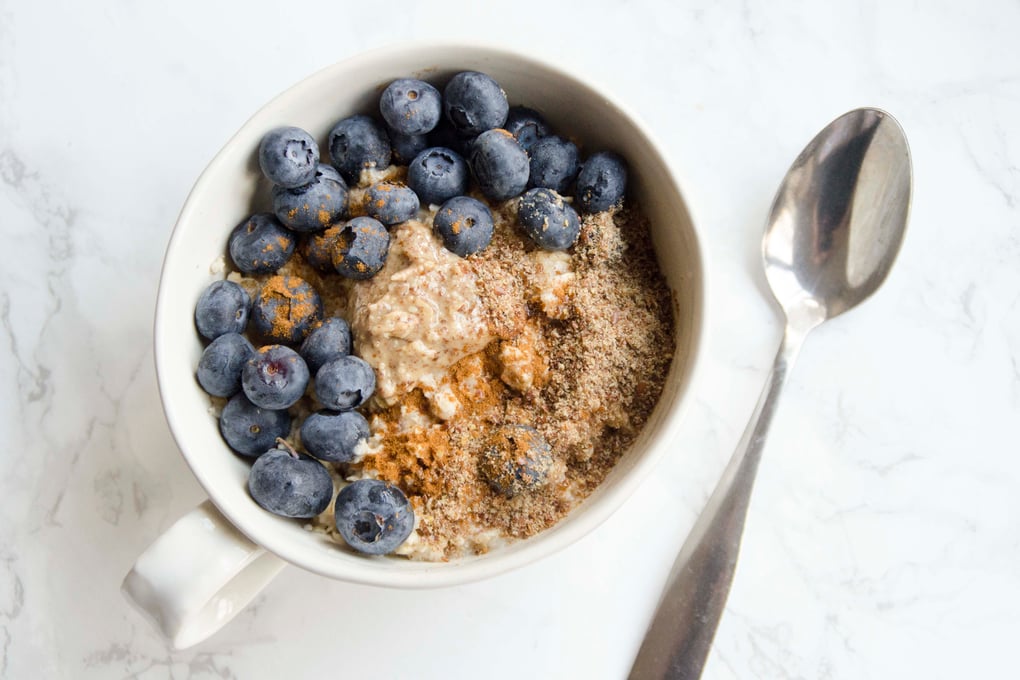
You can add roasted flax seeds to:
Smoothies
Yogurt
Oatmeal
Salads
Roti or paratha dough
Baking (bread, muffins, cookies)
Chutneys
Energy bars
Yes, you can make flavored roasted flax seeds.
1 cup flax seeds
Pinch of salt
Pinch of turmeric
Red chili powder (optional)
Dry roast seeds first, then add spices after turning off heat. Mix well and cool.
Flax seeds are safe when consumed in moderation.
1–2 tablespoons per day.
Bloating
Gas
Digestive discomfort
Mild laxative effect
Drink sufficient water when consuming flax seeds.
Yes. Washing is not necessary unless visibly dirty.
Light roasting at low heat preserves most nutrients. Overheating may reduce omega-3 content.
Due to internal moisture expanding from heat.
Yes, you can chew them or grind for better absorption.
Always use low to medium heat.
Stir continuously.
Cool before storage.
Grind for maximum benefits.
Store in refrigerator.
Roasting flax seeds at home is simple, quick, and highly beneficial. Whether you choose pan roasting, oven baking, or microwave method, the key is controlling heat and avoiding over-roasting.
These tiny seeds offer powerful health benefits and can easily become part of your daily routine. With proper roasting and storage, you can enjoy their nutty flavor and nutritional advantages in smoothies, salads, baked goods, and more.
Start with small batches, experiment with flavors, and make roasted flax seeds a regular part of your healthy lifestyle.
Share:

Moringa powder is an easy way to add a green ingredient to your everyday meals and drinks. Made from dried moringa leave...
There is something almost magical about a perfect chocolate mousse. It slides onto your spoon like silk, dissolves on yo...
There's a particular kind of magic in cutting into a cheesecake and watching it hold its shape — smooth, dense, and glos...
There is something quietly magical about watching a pool of fruit juice transform into a jiggly, translucent jelly right...