
Cart (0)
No products in the cart.
Flax seeds are one of the most powerful plant-based superfoods you can add to your daily diet. Known for their rich fiber content, omega-3 fatty acids, and plant lignans, these tiny seeds can support digestion, heart health, weight management, and overall wellness.
But one common question remains:
Should you eat flax seeds raw, soaked, roasted, or powdered?
In this complete 2000-word guide, you’ll learn:
The best way to eat flax seeds daily
Raw vs soaked vs powdered comparison
Health benefits
Correct dosage
Easy ways to include them in Indian and global diets
Who should avoid flax seeds
Storage tips
Let’s begin.
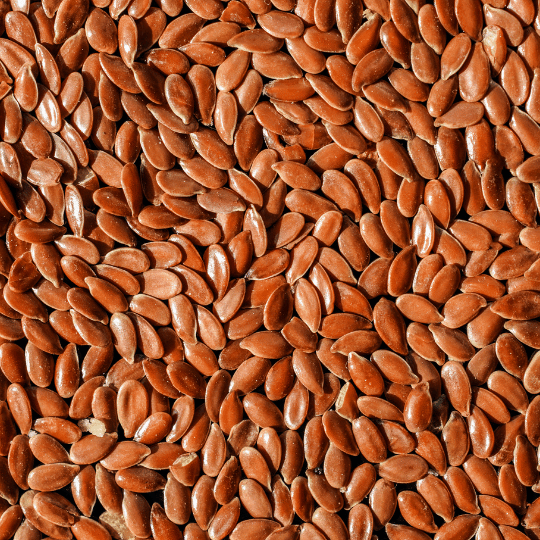


Flax seeds come from the plant Linum usitatissimum, one of the oldest cultivated crops in the world.
There are two main types:
Brown flax seeds
Golden flax seeds
Both have similar nutritional value.
Fiber: 2–3 grams
Omega-3 (ALA): ~1.6 grams
Protein: 1.5–2 grams
Lignans: Powerful antioxidants
Magnesium, phosphorus, iron
They are especially famous for being a rich source of alpha-linolenic acid (ALA), a plant-based omega-3 fatty acid.
Adding flax seeds to your daily routine can provide multiple health benefits.
High fiber supports bowel movement and prevents constipation.
Omega-3 fatty acids help reduce inflammation and support healthy cholesterol levels.
Fiber keeps you full longer and reduces overeating.
Soluble fiber slows down sugar absorption.
Lignans may support hormonal health, especially in women.
Healthy fats help nourish skin and reduce dryness.
Let’s compare the three most common ways.


1 tablespoon daily
Chew thoroughly
Add to salads or sprinkle on food
✔ Easy to consume
✔ No preparation required
✔ Good fiber intake
✖ Hard outer shell makes digestion difficult
✖ Body may not absorb omega-3 properly
✖ If not chewed well, seeds may pass undigested
Verdict: Raw flax seeds are okay, but not the most effective method.

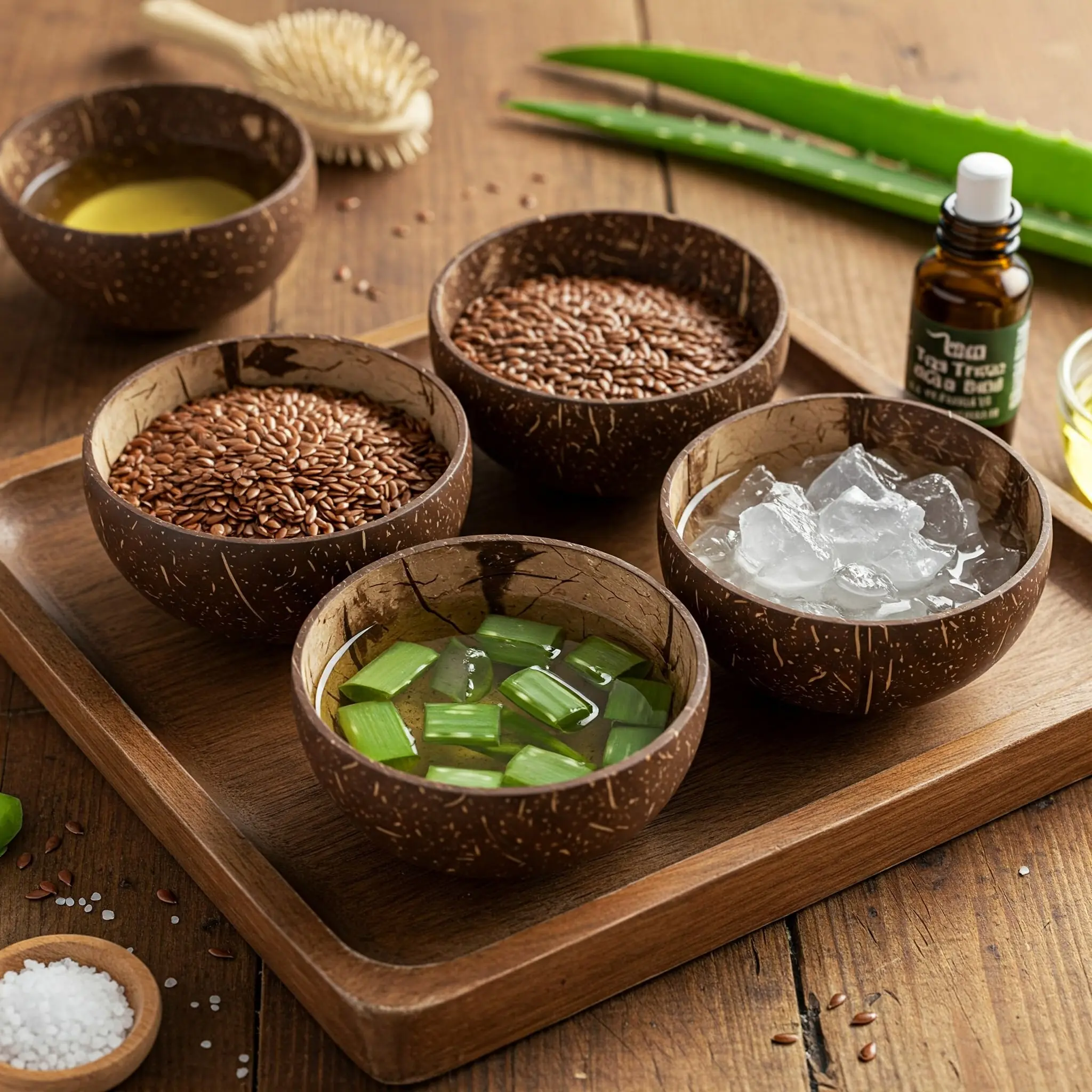

When soaked in water, flax seeds form a gel-like layer due to soluble fiber.
Add 1 tablespoon seeds to 1 cup water
Soak overnight (6–8 hours)
Drink in morning on empty stomach
✔ Easier digestion
✔ Good for constipation
✔ Soothing for gut lining
✔ Helps weight loss
✖ Slightly slimy texture
✖ Some people dislike taste
Verdict: Best for digestion and gut health.
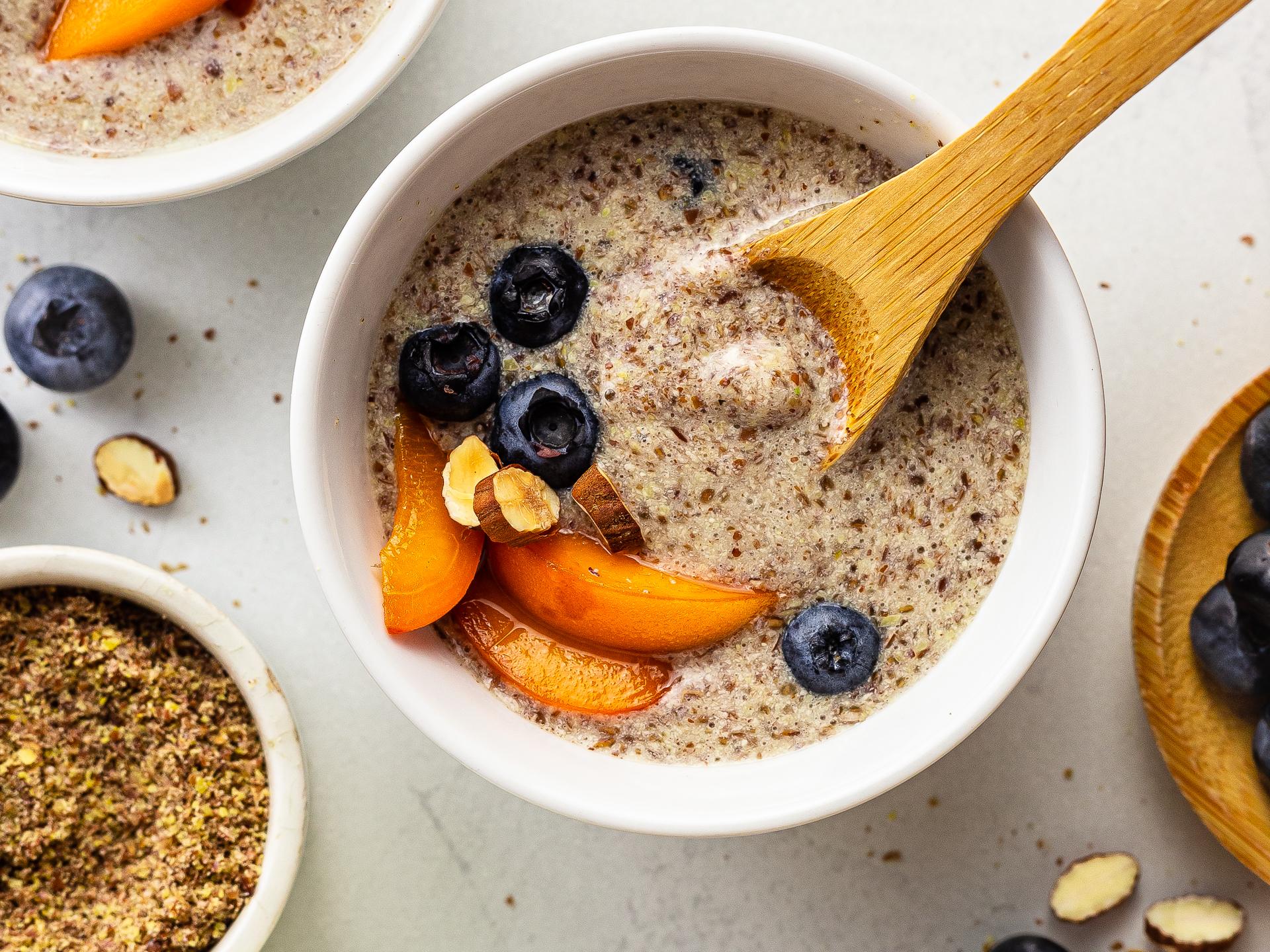


Grinding flax seeds breaks the hard outer shell, making nutrients more bioavailable.
Grind fresh in mixer
Use 1 tablespoon daily
Add to smoothies, curd, roti dough, oats, dal, or soup
✔ Maximum omega-3 absorption
✔ Easy to mix with food
✔ No chewing required
✔ Best nutritional benefit
✖ Must be stored carefully
✖ Can turn rancid if exposed to air
Verdict: Powdered flax seeds are the most effective way to consume daily.
Recommended intake:
1–2 tablespoons per day (10–20 grams)
Start with 1 tablespoon
Drink plenty of water
Avoid consuming more than 2 tablespoons daily unless advised by a doctor.
There is no strict rule, but these options work well:
Soaked flax seeds water
Helps digestion
Mix powder in oats or smoothie
With warm water for constipation
Consistency matters more than timing.
Here are practical methods:
Add 1 tablespoon flaxseed powder to fruit smoothie.
Mix flax powder into atta.
Sprinkle 1 spoon into curd.
Use roasted seeds as topping.
Mix while cooking.
1 tablespoon flax powder + 3 tablespoons water
Rest 10 minutes → forms gel
Use as egg substitute.
Light roasting improves taste.
How to roast:
Dry roast on low flame for 3–5 minutes
Do not burn
Cool before grinding
Roasting enhances flavor but avoid high heat to protect omega-3.
Technically yes.
But:
Whole seeds may pass undigested
You may not absorb omega-3 fully
If eating whole:
Chew very well
Or soak first
Grinding is better.
Eating too much at once
Not drinking enough water
Buying pre-ground seeds and storing for months
Heating at very high temperature
Consuming if allergic
Although generally safe, avoid or consult a doctor if:
Pregnant (large quantities)
Thyroid disorder (excess intake)
Hormone-sensitive conditions
On blood-thinning medication
Intestinal blockage issues
Moderation is key.
If consumed in excess:
Bloating
Gas
Diarrhea
Abdominal discomfort
Start slowly and increase gradually.
Whole seeds:
Store in airtight container
Keep in cool, dry place
Last up to 6–12 months
Ground seeds:
Store in refrigerator
Use within 2–4 weeks
Keep away from moisture
Omega-3 fats oxidize quickly, so freshness matters.
Best method:
1 tablespoon flax powder
Mix in warm water
Drink before meals
Fiber increases fullness and reduces calorie intake.
But remember:
Flax seeds help — they are not magic.
Both are healthy.
Flax seeds:
Higher lignans
More affordable
Chia seeds:
Do not require grinding
More gel formation
Both can be included in diet.
If your goal is:
• Maximum nutrition → Use ground flax seeds
• Constipation relief → Use soaked flax seeds
• Convenience → Use lightly roasted whole seeds (chew well)
The best overall method:
👉 Freshly ground flax seeds (1 tablespoon daily)
👉 Mix into regular meals
👉 Drink plenty of water
Consistency is more important than method.
Flax seeds are a simple yet powerful addition to your daily routine. Whether you eat them raw, soaked, or powdered, the key is proper consumption and moderation.
For most people, ground flax seeds offer the highest nutritional benefit, especially for omega-3 absorption.
Start small, stay consistent, and make flax seeds part of your balanced diet.
Share:

Moringa powder has become increasingly popular among people looking for simple ways to add a green, plant-based ingredie...
Moringa powder has earned its reputation as one of the most nutrient-dense superfoods on the planet. With claims ranging...
Agar agar has quietly become one of the most talked-about ingredients in kitchens that are moving away from gelatin. Veg...
Agar agar — the odourless, flavourless, plant-based gelling agent extracted from red algae — has quietly become one of t...