
Cart (0)
No products in the cart.
Lebensmittel spielen eine wichtige Rolle – nicht nur, um den Hunger zu stillen, sondern auch, um Textur, Stabilität, Nährstoffe und Genuss zu liefern. Eine Zutat, die viele der Lebensmittel, die wir täglich konsumieren, still und unauffällig unterstützt, ist Gelatine in Lebensmittelqualität. Von weichen Desserts und zähen Süßigkeiten bis hin zu Kapseln und Milchprodukten ist Gelatine eine vielseitige Zutat mit einer langen Geschichte in der Lebensmittel- und Pharmaindustrie.
Trotz ihrer weiten Verbreitung stellen viele Verbraucher noch immer wichtige Fragen: Was genau ist Gelatine in Lebensmittelqualität? Wie wird sie verwendet? Ist sie sicher? Welche Vorteile bietet sie? Dieser Artikel bietet eine vollständige und leicht verständliche Erklärung von Gelatine in Lebensmittelqualität und behandelt ihre Definition, den Herstellungsprozess, Anwendungen, Vorteile, Sicherheitsaspekte sowie häufig gestellte Fragen.
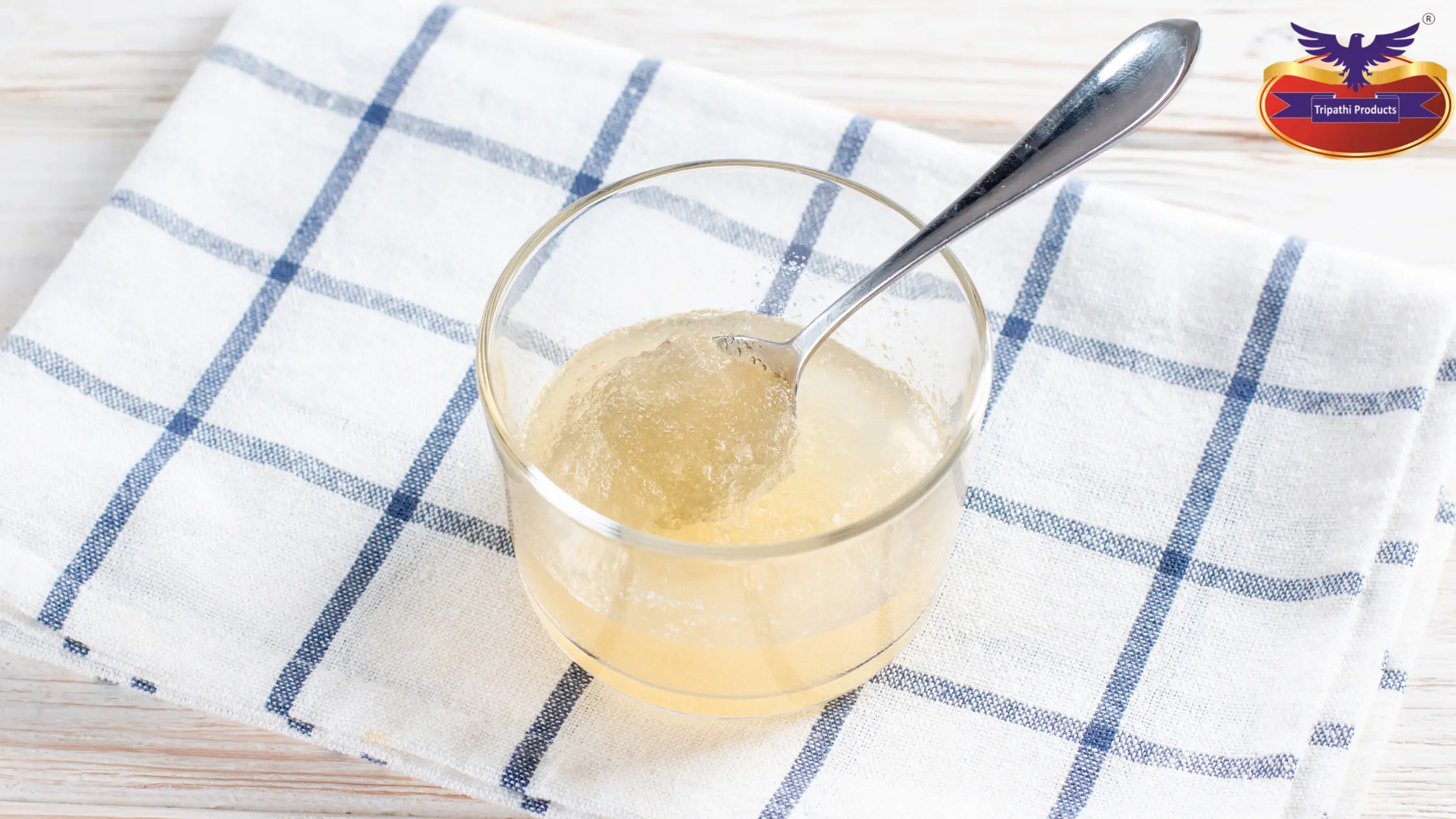
Gelatine in Lebensmittelqualität ist ein gereinigtes, essbares Protein, das aus natürlichem Kollagen gewonnen wird, das in tierischem Bindegewebe wie Haut, Knochen und Knorpel vorkommt. Wenn Kollagen unter strengen Lebensmittelsicherheitsstandards verarbeitet wird, zerfällt es zu Gelatine – einer farblosen, geruchlosen und geschmacklosen Zutat, die sich in heißem Wasser auflöst und beim Abkühlen ein Gel bildet.
Was Gelatine besonders macht, ist ihre Fähigkeit:
Gelatine in Lebensmittelqualität wird speziell hergestellt, um Lebensmittelsicherheitsvorschriften und Qualitätsstandards zu erfüllen, sodass sie für den menschlichen Verzehr geeignet ist.
Die Herstellung von Gelatine in Lebensmittelqualität erfolgt durch einen kontrollierten und hygienischen Prozess, um Reinheit und Sicherheit zu gewährleisten.
Auswahl der Rohstoffe
Kollagenreiche tierische Bestandteile wie Knochen und Häute werden sorgfältig aus zugelassenen Quellen ausgewählt.
Reinigung und Vorbehandlung
Die Rohstoffe werden gründlich gereinigt und behandelt, um Verunreinigungen, Fette und Mineralstoffe zu entfernen.
Hydrolyse des Kollagens
Durch Säure- oder Alkalibehandlung wird Kollagen in Gelatinemoleküle aufgespalten.
Extraktion
Die Gelatine wird unter kontrollierten Bedingungen mit heißem Wasser extrahiert.
Reinigung und Filtration
Mehrere Filtrationsschritte entfernen verbleibende Verunreinigungen.
Sterilisation und Trocknung
Die gereinigte Gelatine wird sterilisiert, getrocknet und zu Pulver oder Granulat verarbeitet.
Qualitätsprüfung
Vor der Verpackung wird Gelatine in Lebensmittelqualität auf mikrobiologische Sicherheit, Gelstärke, Feuchtigkeit und Reinheit getestet.
Dieser sorgfältige Prozess stellt sicher, dass das Endprodukt sicher, gleichbleibend und für Lebensmittelanwendungen geeignet ist.
Gelatine in Lebensmittelqualität besitzt mehrere funktionelle Eigenschaften, die sie in der Lebensmittelproduktion sehr wertvoll machen:
Diese Eigenschaften erklären, warum Gelatine in einer Vielzahl von Lebensmitteln verwendet wird.
Gelatine in Lebensmittelqualität ist äußerst vielseitig und wird sowohl in der Haushaltsküche als auch in der industriellen Lebensmittelproduktion verwendet.
Eine der bekanntesten Anwendungen von Gelatine ist in Desserts:
Gelatine sorgt für Elastizität, Struktur und ein angenehmes Mundgefühl.
Beim Backen wird Gelatine verwendet, um:
Gelatine unterstützt Textur und Stabilität in:
Sie verhindert Synärese (Wasserabsonderung) und verbessert die Cremigkeit.
Gelatine wird manchmal als Klärungsmittel verwendet in:
Sie bindet unerwünschte Partikel und sorgt für klarere Flüssigkeiten.
Gelatine in Lebensmittelqualität wird auch verwendet für:
Ihre gute Verdaulichkeit und Sicherheit machen sie ideal für den Verzehr.
Obwohl Gelatine kein vollständiges Protein ist, bietet sie dennoch ernährungsphysiologische Vorteile.
Gelatine enthält nicht alle essenziellen Aminosäuren, kann jedoch in Kombination mit anderen Proteinquellen zu einer ausgewogenen Ernährung beitragen.
Als Teil einer ausgewogenen Ernährung kann Gelatine mehrere gesundheitliche Vorteile bieten.
Die aus Kollagen gewonnenen Aminosäuren können helfen bei:
Deshalb wird Gelatine häufig in Nahrungsergänzungsmitteln für Gelenke verwendet.
Kollagenbezogene Aminosäuren können helfen:
Aus diesem Grund wird Gelatine häufig in Beauty-Produkten und Nahrungsergänzungsmitteln verwendet.
Gelatine kann die Verdauung unterstützen, indem sie:
Die Aminosäuren in Gelatine tragen bei zu:
Ja, Gelatine in Lebensmittelqualität gilt als sicher, wenn sie in empfohlenen Mengen konsumiert und von seriösen Herstellern bezogen wird.
Gelatine wird weltweit seit Jahrzehnten sicher konsumiert.
Es ist wichtig, Gelatine in Lebensmittelqualität von nicht essbarer industrieller Gelatine zu unterscheiden.
| Merkmal | Gelatine in Lebensmittelqualität | Industrielle Gelatine |
|---|---|---|
| Sicherheitsstandards | Strenge Lebensmittelvorschriften | Nicht für den Verzehr bestimmt |
| Verwendung | Lebensmittel, Pharma, Nahrungsergänzung | Klebstoffe, Fotografie |
| Reinheit | Hoch | Niedriger |
| Prüfung | Umfangreich | Begrenzt |
Nur Gelatine in Lebensmittelqualität sollte in essbaren Produkten verwendet werden.
Da Gelatine aus tierischen Quellen stammt, kann sie bestimmte Ernährungsbedenken auslösen.
Verbraucher sollten stets auf Kennzeichnung und Zertifizierungen achten.
Die Verwendung von Gelatine beim Kochen ist einfach.
Einweichen (Blooming) – Gelatine einige Minuten in kaltem Wasser einweichen
Auflösen – vorsichtig erhitzen, bis sie vollständig gelöst ist
Gelieren lassen – mit anderen Zutaten mischen und im Kühlschrank fest werden lassen
Die richtigen Mengenverhältnisse bestimmen die gewünschte Festigkeit.
Eine richtige Lagerung hilft, die Qualität zu erhalten.
Bei richtiger Lagerung hat Gelatine in Lebensmittelqualität eine lange Haltbarkeit, meist 12 bis 24 Monate.
Mythos 1: Gelatine ist künstlich
Fakt: Gelatine ist ein natürliches Protein aus Kollagen.
Mythos 2: Gelatine ist unsicher
Fakt: Gelatine in Lebensmittelqualität wird streng geprüft und gilt als sicher.
Mythos 3: Gelatine hat keinen Nährwert
Fakt: Gelatine liefert Protein und nützliche Aminosäuren.
Beim Kauf von Gelatine sollte man auf Folgendes achten:
Hochwertige Gelatine sorgt für bessere Ergebnisse und Sicherheit.
Die Gelatineproduktion nutzt tierische Nebenprodukte, die sonst möglicherweise verschwendet würden. Bei verantwortungsvoller Beschaffung unterstützt Gelatine:
Gelatine in Lebensmittelqualität ist eine äußerst funktionelle, sichere und vielseitige Zutat, die in Desserts, Backwaren, Milchprodukten, Getränken und pharmazeutischen Produkten eingesetzt wird. Sie wird aus natürlichem Kollagen gewonnen und bietet hervorragende Gelierfähigkeit, Texturverbesserung und einen gewissen Nährwert. Wenn sie von vertrauenswürdigen Herstellern stammt und korrekt verwendet wird, ist Gelatine in Lebensmittelqualität sicher für den täglichen Verzehr und spielt eine wichtige Rolle in modernen Lebensmittelsystemen.
Das Verständnis darüber, was Gelatine in Lebensmittelqualität ist, wie sie verwendet wird und warum sie sicher ist, hilft sowohl Verbrauchern als auch Lebensmittelherstellern, fundierte Entscheidungen zu treffen. Ob Hobbykoch, Bäcker, Lebensmittelproduzent oder gesundheitsbewusster Verbraucher – Gelatine bleibt eine zuverlässige und wichtige Zutat in der Welt der Ernährung und Lebensmittel.
Share:

Agar agar has quietly become one of the most talked-about ingredients in kitchens that are moving away from gelatin. Veg...
Agar agar — the odourless, flavourless, plant-based gelling agent extracted from red algae — has quietly become one of t...
Dandruff affects nearly half of all adults at some point in their lives, leaving many people searching for effective rem...
Agar agar powder has become one of the most popular plant-based gelling agents in modern kitchens. Derived from red seaw...